Programm english
Christine Watty, Journalistin, Berlin (Moderation)
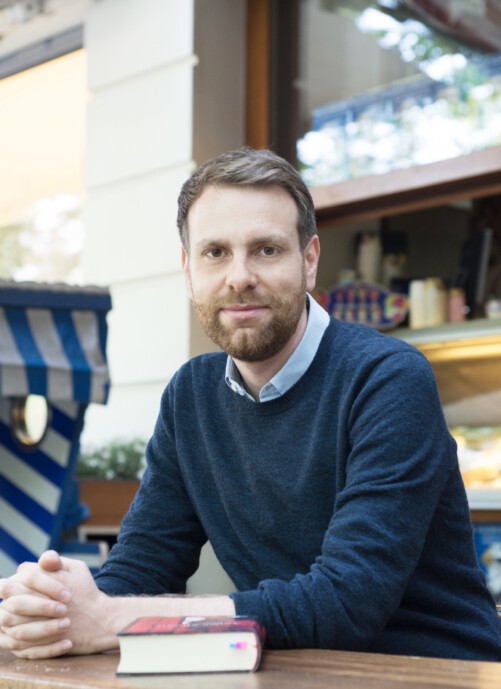
Dr. André Mumot geboren 1979 in Helmstedt, studierte Kulturwissenschaften und Ästhetische Praxis an der Universität Hildesheim und promovierte mit der Dissertation Bewegung und Subjekt. Zur Kontinuität eines literarischen Motivs von Petraca bis Stifter, von Bernhard bis Ransmayr.
Als freier Journalist hat er unter anderem für die Hannoversche Allgemeine Zeitung, die Hildesheimer Allgemeine Zeitung sowie für nachtkritik.de geschrieben. Seit 2014 ist er im Deutschlandfunk Kultur als Redakteur tätig und moderiert die Sendung »Fazit – Die Kultur vom Tage«, sowie das Theatermagazin »Rang 1«. Außerdem ist er regelmäßig als Theaterkritiker und Kulturjournalist zu hören. Er moderiert literarische Lesungen mit AutorInnen wie Coco Mellors, Jenny Mustard und Jasper Fforde.
Als Übersetzer englischsprachiger Romane und Sachbücher hat er die Werke namhafter AutorInnen wie Neil Gaiman, Jo Nesbø, Nick Harkaway, Cornelia Funke und Graham Moore für verschiedene Verlage wie Penguin, Hanser oder Berlin Verlag ins Deutsche übertragen. Seine Übersetzung des Romans Wunder von Raquel J. Palacio wurde 2014 mit dem Deutschen Jugendliteraturpreis ausgezeichnet. Seit 2021 übersetzt er für den Eichborn Verlag die »Stranger Times« und »Bunny McGarry« -Reihen des irischen Schriftstellers C. K. McDonnell.
Im Tectum-Verlag erschien 2008 sein Buch »Irrwege zum ich – Eine kleine Literaturgeschichte des Gehens«. Seine Romane Muttertag (2016) und Geisternächste (2018) werden bei Eichborn verlegt.
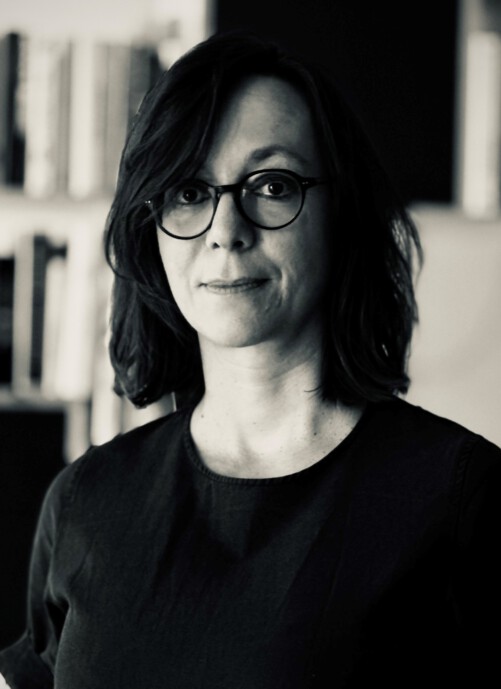
Christine Watty , Berlin, ist Redaktionsleiterin und Moderatorin bei Deutschlandfunk Kultur. Sie betreut Radiosendungen, moderiert und konzipiert neue digitale Formate. Ihre Themen: Kultur und Politik sowie die dazugehörigen gesellschaftlichen Diskurse und Debatten.

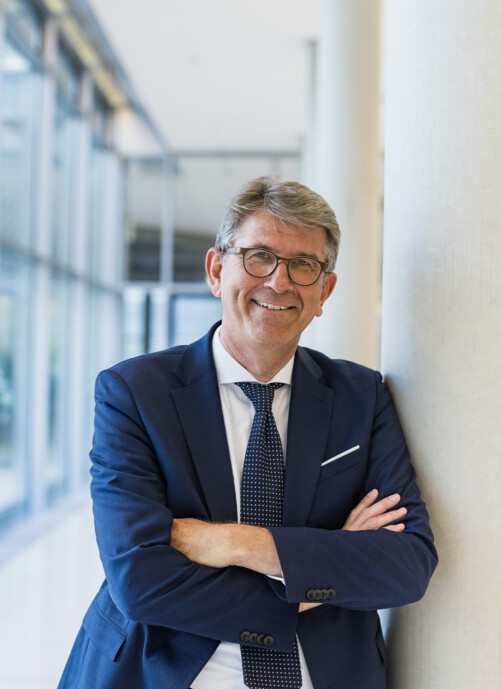
Dr. Wolfram Weimer He has served as Minister of State for Culture and the Media (Staatsminister für Kultur und Medien) since 6 May 2025. The promovierte Historiker, Verleger and Publizist is unaffiliated with any political party and has many years of experience in the media sector. After studying history, German studies, political science and economics and completing his doctorate, he began his journalistic career at the German Press Agency (Deutsche Presse-Agentur, dpa) in Washington and at the Frankfurter Allgemeine Zeitung. He then served as Chefredakteur of WELT (Die Welt), the Berliner Morgenpost, FOCUS (Focus) and the magazine Cicero, which he founded. In 2012, Weimer founded Weimer Media Group, which includes magazines such as The European and Business Punk, as well as a book publishing house.
Dr. Volker Ullrich, Vizepräsident der Bundeszentrale für politische Bildung/bpb
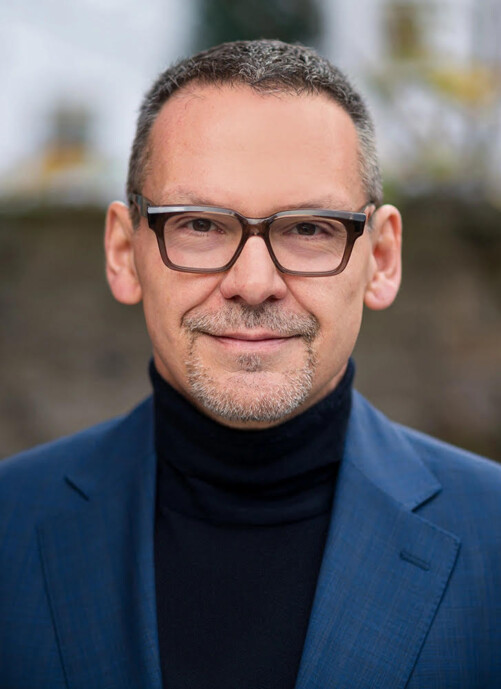
Prof. Dr. Markus Hilgert He has served as President of the Berlin University of the Arts (Universität der Künste Berlin) since 1 April 2025 and as President of the German Association for Cultural Policy (Präsident der Kulturpolitischen Gesellschaft e.V.) since 8 November 2025 and has been actively involved on a voluntary basis in the fields of culture and academia for many years. His work has consistently focused on sector-specific policy issues. From 2018 to 2025, Hilgert was Secretary-General and member of the Executive Board of the Cultural Foundation of the German States (Kulturstiftung der Länder), and from 2014 to 2018 he was Director of the Ancient Near East Museum (Vorderasiatisches Museum) at the Pergamon Museum (Pergamonmuseum) of the National Museums in Berlin – Prussian Cultural Heritage (Staatliche Museen zu Berlin – Preußischer Kulturbesitz). From 2007 to 2014, Hilgert taught as Professor of Ancient Near Eastern Studies at Heidelberg University (Ruprecht-Karls-Universität Heidelberg). As an Honorary Professor, he currently teaches at Freie Universität Berlin (Freie Universität Berlin), Heidelberg University (Universität Heidelberg), and the University of Marburg (Universität Marburg). From 2009 to 2015, Hilgert served as Chair of the German Oriental Society (Deutsche Orient-Gesellschaft) and, from 2013 to 2015, as Chair of the Expert Commission on the “Situation of the ‘Small Disciplines’ in Baden-Württemberg” (Expertenkommission zur »Situation der ‚Kleinen Fächer‘ in Baden-Württemberg«), appointed by Theresia Bauer, Baden-Württemberg’s State Minister for Science, Research and the Arts, at the Baden-Württemberg Ministry of Science, Research and the Arts (Ministerium für Wissenschaft, Forschung und Kunst Baden-Württemberg). In 2017, Hilgert was elected founding President of Blue Shield Germany (Blue Shield Deutschland). As Secretary-General of the Cultural Foundation of the German States (Kulturstiftung der Länder), he initiated the Emergency Alliance for Culture (Notfallallianz Kultur) in 2021, a broad-based alliance to strengthen resilience in the cultural sector. Hilgert is committed to cultural policy issues in various bodies at the national and international levels, including the Executive Board of the German Commission for UNESCO (Deutsche UNESCO-Kommission), the Board of Trustees of the Konrad-Adenauer-Stiftung (Konrad-Adenauer-Stiftung), and the Foundation Board of the ALIPH Foundation (Aliph Foundation). Hilgert’s publications include numerous academic works as well as contributions on current cultural and socio-political issues. These include the volume “Innen – Außen. Perspektiven einer integrierten Kulturpolitik” (2021), co-edited with Ronald Grätz, and the volume “Objektepistemologien. Zur Vermessung eines transdisziplinären Forschungsraums” (2018), published with Henrike Simon and Kerstin P. Hofmann.
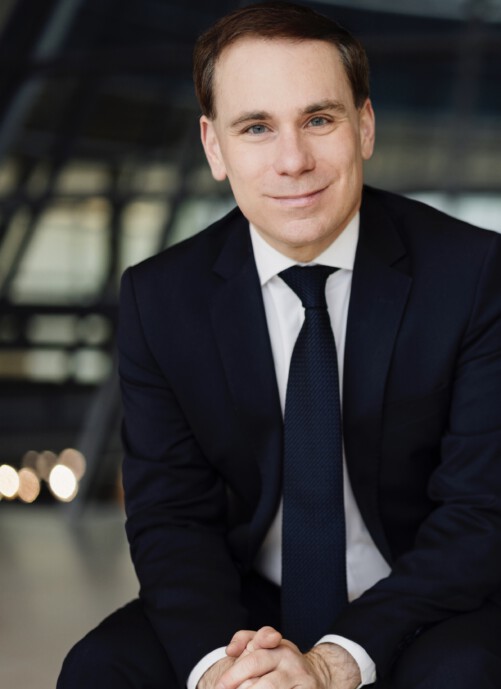
Dr. Volker Ullrich geboren 1975, absolvierte nach seinem Abitur von 1995 bis 2001 ein Studium der Rechtswissenschaften und der Wirtschaftswissenschaften an der Universität Augsburg und an der Fern-Universität Hagen. Er war Stipendiat der Konrad-Adenauer-Stiftung. Das erste Staatsexamen schloss er 2001 ab. Im Jahr 2002 promovierte er und absolvierte 2004 das zweite Staatsexamen. Zwischen 2006 und 2011 war Volker Ullrich als Rechtsanwalt in mittelständischen und internationalen Sozietäten tätig.
Von 2002 bis 2011 war Volker Ullrich ehrenamtlicher Stadtrat der Stadt Augsburg und Mitglied im Rechts- und Verwaltungsausschuss des Bayerischen Städtetages. Zwischen 2011 und 2013 war er außerdem berufsmäßiger Stadtrat der Stadt Augsburg und Leiter des Referats für Sicherheit, Ordnung, Marktwesen, Brand- und Katastrophenschutz.
Seine politische Laufbahn begann Volker Ullrich 1998 beim Ring Christlich-Demokratischer Studenten (RCDS) in Bayern. Von 2001 bis 2009 war er Bezirksvorsitzender der Jungen Union Augsburg. Zwischen 2002 und 2011 war er dann Stadtrat der Stadt Augsburg. Von 2011 bis 2013 agierte er als Berufsmäßiger Stadtrat und Leiter des Ordnungsreferats der Stadt Augsburg. Seit 2018 ist er Landesvorsitzender der Christlich-Demokratische Arbeitnehmerschaft (CSA) in Bayern und seit 2019 der Bezirksvorsitzender der CSU Augsburg.
Von 2013 bis 2025 war Volker Ullrich außerdem Mitglied des Deutschen Bundestags für den Wahlkreis Augsburg-Stadt und zwischen 2014 und 2025 Mitglied in der Parlamentarischen Versammlung des Europarats. Er saß als Bundestagsabgeordneter im Fraktionsvorstand der CDU/CSU-Fraktion. Er engagierte sich zudem als Mitglied im Kuratorium Stiftung Recht und ist Mitglied in der Deutschen Stiftung Verbraucherschutz.
Seit 2026 ist Dr. Volker Ullrich Vizepräsident bei der Bundeszentrale für politische Bildung/bpb.
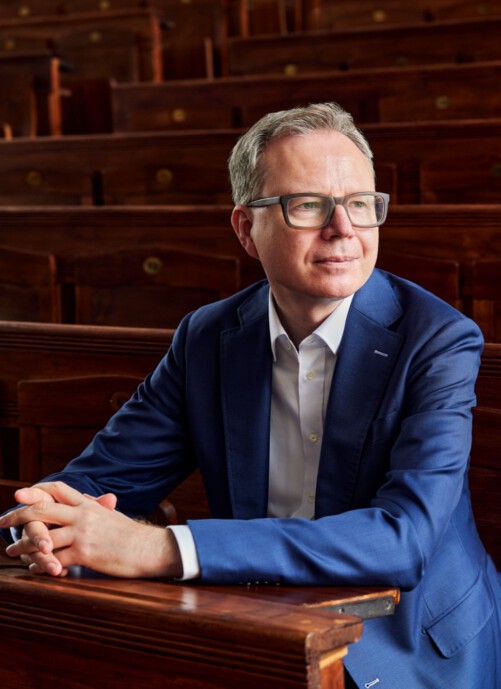
Prof. Dr. Andreas Reckwitz Prof. Dr. Andreas Reckwitz is Professor of General Sociology and Cultural Sociology at Humboldt University of Berlin (Humboldt-Universität zu Berlin) and one of the defining sociologists of the present day. His work on modernity and late modernity combines social theory, cultural sociology, and diagnoses of the present. His books The Invention of Creativity (Die Erfindung der Kreativität), The Society of Singularities (Die Gesellschaft der Singularitäten), The End of Illusions (Das Ende der Illusionen), and Loss (Verlust) have attracted particular attention. They have been translated into 25 languages and have resonated far beyond sociology. Among other distinctions, he received the Gottfried Wilhelm Leibniz Prize of the German Research Foundation (Gottfried Wilhelm Leibniz-Preis der Deutschen Forschungsgemeinschaft) for his research.
Dr. Liya Yu, Neuropolitical philosopher and political scientist (UdK and LMU)
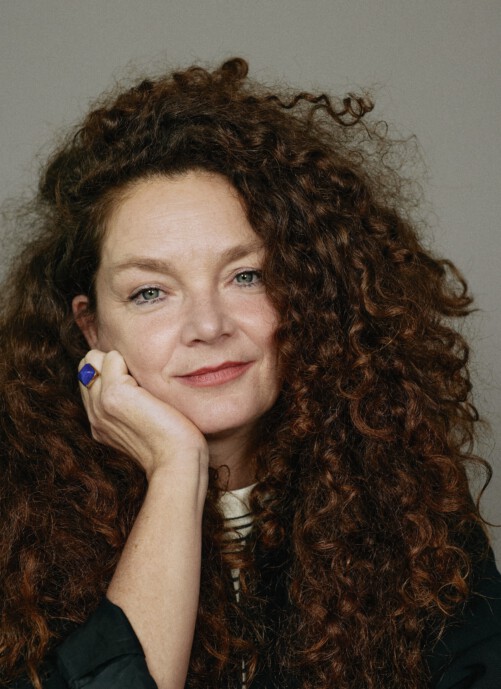
Stephanie Thiersch agiert seit 20 Jahren international, ist Gründerin und künstlerische Leiterin von MOUVOIR und gehört zu den Vielseitigsten ihres Faches in Europa. Mit MOUVOIR (e. V.) hat sie seit dem Jahr 2000 über 50 Bühnenproduktionen, mehrere Filme (zu sehen auf arte/3sat oder der Biennale Danza di Venezia) und Installationen kreiert.
Regelmäßig experimentiert sie mit digitalen Formaten und innovativem Einsatz von Musik. Ihre interdisziplinären Arbeiten verbinden Tanz, Musik, Bildende Kunst und Popkultur. Seit 2011 stehen zudem kross-kulturelle Arbeiten mit Künstler:innen aus Afrika/Subsahara im Fokus. MOUVOIR gastierte bis heute in über 50 Ländern weltweit.
In Köln ist Stephanie Thiersch im Ensemblenetzwerk Freihandelszone aktiv und co-leitet das jährliche Festival URBÄNG!, ausgezeichnet 2019 mit dem Kurt-Hackenberg-Preis für politisches Theater. Sie hatte Gastprofessuren an der HFMDK in Frankfurt, am Institut für Theaterwissenschaft in Gießen und an der Folkwang Universität.
Stephanie Thiersch studierte Geisteswissenschaften in Montpellier und Mannheim, forschte an Intermedialität (Preis der Wissenschaft der Universität Mannheim 1998) und war in dieser Zeit auch als Tänzerin, u. a. für La Fura dels Baus, aktiv. Danach postgraduierte sie in Medienkunst bei der Performancekünstlerin Valie Export an der Kunsthochschule für Medien in Köln.
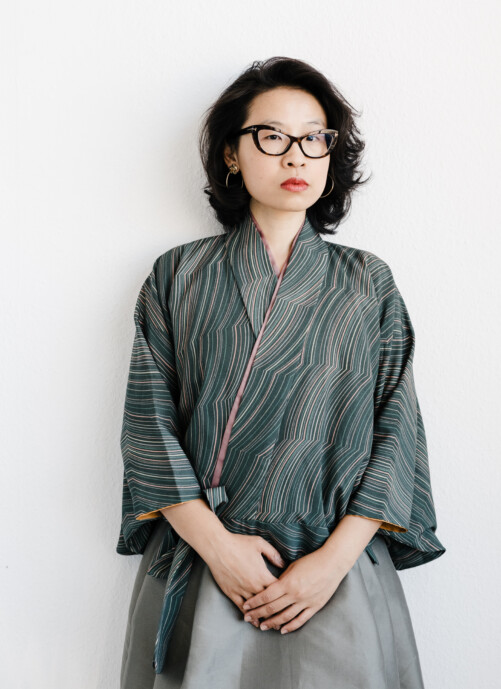
Dr. Liya Yu Dr. Liya Yu is a neuropolitical philosopher and political scientist. She is developing a neuroscience-based social contract to address the political challenges facing our liberal democracies. She is the author of Vulnerable Minds: The Neuropolitics of Divided Societies (2022) and Brains Instead of Morality: Why Only Neuropolitics Can Safeguard Social Cohesion (Hirn statt Moral: Warum nur Neuropolitik den gesellschaftlichen Zusammenhalt sichert, April 2026). Yu grew up in Germany as the child of Chinese immigrants, studied at the University of Cambridge, and earned her doctorate at Columbia University in New York. She has held international teaching appointments in the United States, Asia, and Europe. Philosophie Magazin (Philosophie Magazin) named her neuropolitical theory one of the most important ideas of 2025, and Brand New Bundestag (Brand New Bundestag) nominated her for the Progressive Science Voices Award 2024. At the Berlin University of the Arts (Universität der Künste Berlin), she developed the world’s first course at the intersection of neuropolitics and performance art. Her interviews and contributions on political neuroscience, racism, and dehumanization have appeared in ARD (ARD), ZDF (ZDF), DIE ZEIT (DIE ZEIT), Tagesspiegel (Tagesspiegel), BBC (BBC), New Scientist (New Scientist), and many other outlets.
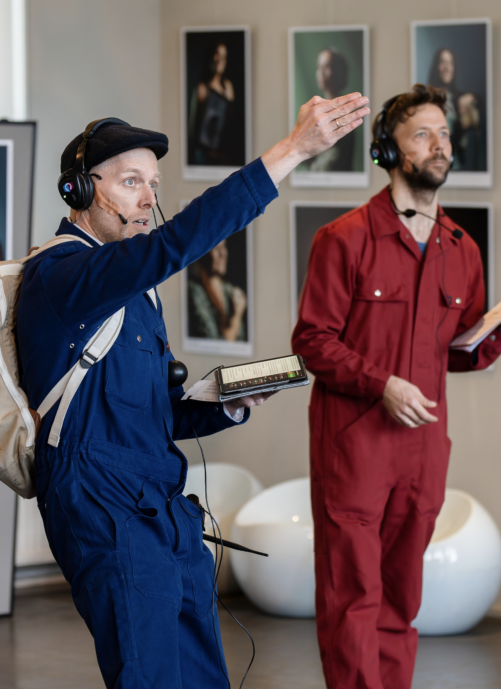
Brachland-Ensemble realisiert seit 2011 Projekte zwischen zeitgenössischem Theater, journalistischer Recherche und politischer Bildung.
Die Themenauswahl spiegelt dabei die künstlerische Diversität wider: Veränderungen der gesellschaftlichen Atmosphäre, kritische Auseinandersetzungen mit Themen aus Wissenschaft, Politik und Medien als auch persönliche Fragestellungen bilden den Ausgangspunkt der Arbeiten. Daran schließen sich in der Regel intensive Recherchephasen im In- und Ausland an. So bereiste das Ensemble u.a. Indien, Tansania, Ghana, Syrien, Japan, Israel und Palästina als auch Schweden, Belgien und Deutschland und baute ein internationales Netzwerk zu Künstler*innen und Organisationen auf.
Prof. Dr. Friedhelm Hufen, Professor for at Mainz University
Basil Kerski, President of the House of History Foundation of North Rhine-Westphalia (Stiftung Haus der Geschichte Nordrhein-Westfalen)
Prof. Jarosław Kuisz, Associate of Russian and East European Studies (REES) at the Oxford University School for Global and Area Studies (University of Oxford))
References to the democratic basic consensus and invocations of the normative core of the Basic Law are increasingly being countered by appeals to duties of state neutrality.
While professionals in civic education and memorial-site pedagogy have long highlighted the considerable risks involved, this discourse is now increasingly reaching the cultural sphere, affecting both practical work and in cultural policy and cultural administration.
What does the “principle of neutrality” mean from a legal point of view?
How do the democratic basic consensus and the normative core of the Basic Law relate to references to “state neutrality”?
What is the status of “neutrality as an attitude” in the field of cultural policy and cultural practice?
What does “attitude” mean in this context?
What do employees in cultural administration and cultural institutions, in cultural education and in aesthetic practice, need in order to maintain such an attitude?
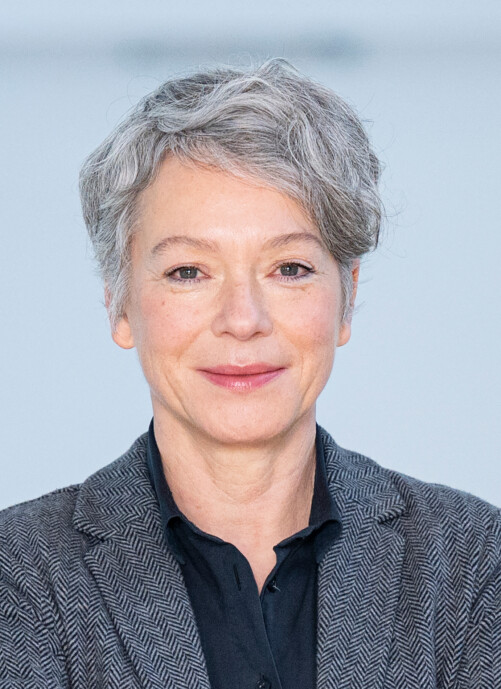
Dr. Ina Hartwig Dr. Ina Hartwig, born in Hamburg in 1963, studied Romance languages and literature and German studies in Avignon and Berlin. After many years as literary editor at the Frankfurter Rundschau (Frankfurter Rundschau) from 1997 to 2009 and as editor of Kursbuch (Kursbuch) from 2002 to 2005, she worked as an independent author, critic, and moderator. She held visiting professorships in St. Louis, Göttingen, and Leipzig and wrote, among others, for Die Zeit (Die Zeit) and the Süddeutsche Zeitung (Süddeutsche Zeitung). In 2011, she received the Alfred Kerr Prize for Literary Criticism. Her essay collection Das Geheimfach ist offen. Über Literatur was published by S. Fischer (S. Fischer Verlag) in 2012, followed by Ingeborg Bachmann. Eine Biographie in Bruchstücken in 2017, with an updated new edition in 2026. Together with director Ruth Beckermann, she co-wrote the screenplay for the film Die Geträumten (Die Geträumten, Austria 2016). In the 2015/16 academic year, she was a fellow at the Institute for Advanced Study Berlin (Wissenschaftskolleg zu Berlin). Since July 2016, she has served as the city councillor responsible for culture and science of the City of Frankfurt am Main.
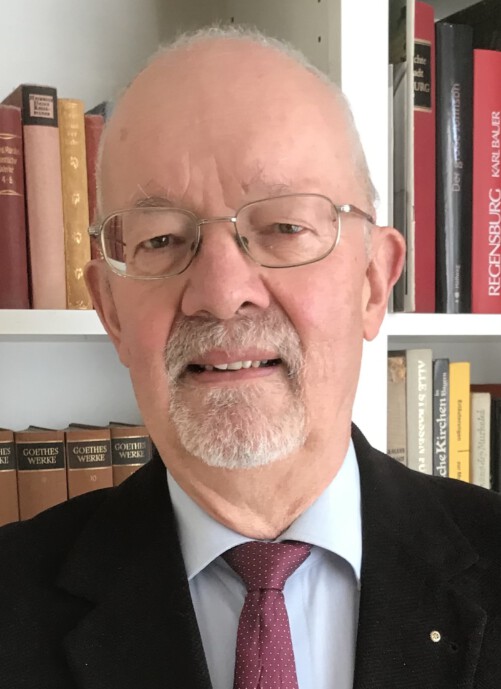
Prof. Dr. Friedhelm Hufen Prof. Dr. Friedhelm Hufen studied law and political science in Münster, Freiburg, and Princeton (USA). After completing both state law examinations, his doctorate, and his habilitation, he held professorships in public law in Augsburg and Regensburg, where he also taught legal philosophy, and from 1993 in Mainz, where he has been emeritus since 2011. He also held visiting professorships in New Orleans, Cape Town, and Paris. He was a member of the Constitutional Court of Rhineland-Palatinate (Verfassungsgerichtshof Rheinland-Pfalz) from 2008 to 2014. He served as Deputy Chair of the Association of German Constitutional Law Teachers (Vereinigung Deutscher Staatsrechtslehrer) in 2004/2005 and was a member of numerous associations and commissions. His main fields of work are constitutional law, administrative law, cultural law, medical law, and boundary issues between law and ethics. Among his numerous publications, his textbooks on fundamental rights and administrative procedural law deserve particular mention. Prof. Hufen is a recipient of the Order of Merit of the State of Rhineland-Palatinate.
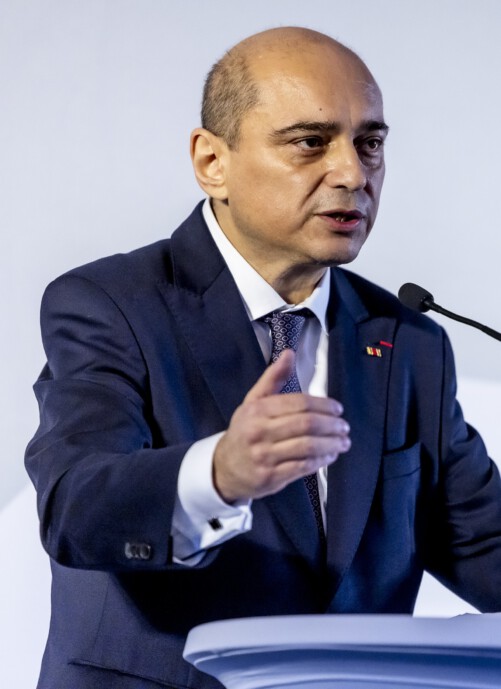
Basil Kerski Basil Kerski is a cultural manager, museum director, policy expert, and publicist and, since January 2026, President of the House of History Foundation of North Rhine-Westphalia (Stiftung Haus der Geschichte Nordrhein-Westfalen), based in Düsseldorf.
He previously served for 15 years as Director of the European Solidarity Centre in Gdańsk.
Born in Gdańsk in 1969 into an Iraqi-Polish family, Basil Kerski spent his childhood and youth in Iraq, in the Polish People’s Republic, and in West Berlin.
He studied political science and Slavic studies at Freie Universität Berlin (Freie Universität Berlin).
He worked as a research associate at Aspen Institute Berlin (Aspen Institute Berlin), at the research institute of the German Council on Foreign Relations (Deutsche Gesellschaft für Auswärtige Politik), and in the German Bundestag (Deutscher Bundestag).
Basil Kerski is the former editor-in-chief of the bilingual German-Polish magazine DIALOG (Deutsch-Polnisches Magazin DIALOG), as well as an author, editor, and political commentator in European media.
For his European engagement, he has received numerous honors, including the French Legion of Honour, the Cross of Merit of the Federal Republic of Germany, and the Polish Gold Cross of Merit.
Prof. Jarosław Kuisz is an essayist writing on democracy, political culture, and the intellectual history of contemporary Europe. He is an Associate of Russian and East European Studies (REES) at the Oxford University School for Global and Area Studies (University of Oxford), Editor-in-Chief of the Polish online weekly Kultura Liberalna, Senior Fellow and Program Director for Liberal Democracy at the Center for Liberal Modernity, Associate Professor at the University of Warsaw (Faculty of Law and Administration). His book The New Politics of Poland was named one of the best books of 2024 by Foreign Affairs. Kuisz is the co-author of the book Posttraumatische Souveränität (with Prof. Karolina Wigura, Suhrkamp, 2023). His forthcoming books: Endangered States, will be published by Cambridge University Press and Gegen den liberalen Defätismus, will be published by Suhrkamp. Kuisz regularly contributes to the international press, i.a. The New York Times, The Guardian, Le Monde, Die Zeit.
Sabrina Kotzian, Kuratorin und Autorin
Moritz von Rappard, Prozessbegleiter, Moderator und Dramaturg
Nathalie Senf, Mitarbeiterin Offener Prozess gGmbH
In recent years, cultural practitioners in East Germany have gained particular experience in dealing with right-wing structures and attacks on art and culture. The workshop draws on this practical perspective and asks how we can “get ahead of the wave”: recognising patterns of attack early on, preparing solidarity responses, and safeguarding the ability to act in cultural policy at both regional and national level.
The focus is on collaboration among participants. In groups, experiences, concerns, and needs will be shared: Where are attacks or attempts at influence being experienced? What has proven supportive? And where have actors been left alone? Based on the core needs of ’support‘, ’networking‘, and ‚listening‘, the groups will develop concrete proposals for solidarity support in urgent situations, sustainable networking, and safe spaces where solidarity listening strengthens rather than creates additional strain.
The results will then be discussed in the plenary session. This workshop is organised jointly by the Saxony working group and the Berlin-Brandenburg regional group of the German Society for Cultural Policy.
Matthias Franke studierte Kunstgeschichte an der TU Berlin und Erziehungswissenschaften an der HU Berlin. Er war unter anderem bei der Stiftung Preußische Schlösser und Gärten Berlin-Brandenburg, am Kulturhistorischen Museum Görlitz und an den Museen der Stadt Dresden tätig – teils freiberuflich. Seit 2019 schult und berät er als Referent der Servicestelle Inklusion im Kulturbereich, deren Träger der Landesverband Soziokultur Sachsen ist, sächsische Kulturakteur*innen und Kultureinrichtungen aller Sparten sowie Vertreter*innen aus Verwaltung und Politik in Fragen inklusiver und barrierefreier Kulturarbeit. Seit 2023 verantwortet er zudem den Bereich Nachhaltigkeit im Landesverband Soziokultur Sachsen. Er ist Co-Sprecher der Landesgruppe Sachsen der Kulturpolitischen Gesellschaft, Mitglied weiterer Netzwerke – unter anderem der Heinrich-Böll-Stiftung Sachsen (Weiterdenken) – sowie Teil der Kuratoriumsleitung des Fonds Soziokultur.
Sabrina Kotzian studierte Kunstgeschichte, Volkswirtschaftslehre und Bildwissenschaften in Marburg, Jena und Amsterdam. 2014/15 folgt ein Volontariat am Brandenburgischen Landesmuseum für moderne Kunst (Cottbus), danach arbeitet sie freischaffend als Kuratorin und Autorin. Seit 2018 ist sie Projektreferentin im Museum Utopie und Alltag (Beeskow/Eisenhüttenstadt). Bereits seit ihrer Studienzeit engagiert sich Sabrina Kotzian ehrenamtlich in freien Kulturinitiativen. Sie organisierte gemeinsam mit weiteren Akteurinnen Ende 2024 einen spartenübergreifenden Austausch zu kulturpolitischen Herausforderungen in Brandenburg.
Moritz von Rappard hat Theater-, Film- und Fernsehwissenschaften, Germanistik und Pädagogik an der Universität Köln studiert. Nach vielfältigsten Projekten als Projektentwickler, Kurator, Regisseur und Dramaturg sowie einer Zusatzqualifikation als Moderator und Mediator beschäftigt er sich seit 2015 intensiv mit Diversitätsentwicklung, Öffnung und Teilhabe in Kulturinstitutionen. So entstand im Rahmen des von der Bundesbeauftragten für Kultur und Medien initiierten Kompetenzverbunds KIWit die g3-Methode für besseres Arbeiten in heterogenen Gruppen. Seit 2025 ist er neben seiner selbstständigen Tätigkeit als Prozessbegleiter, Moderator und Dramaturg auch als Grundsatzreferent für die Berliner Senatsverwaltung für Kultur und Gesellschaftlichen Zusammenhalt tätig.
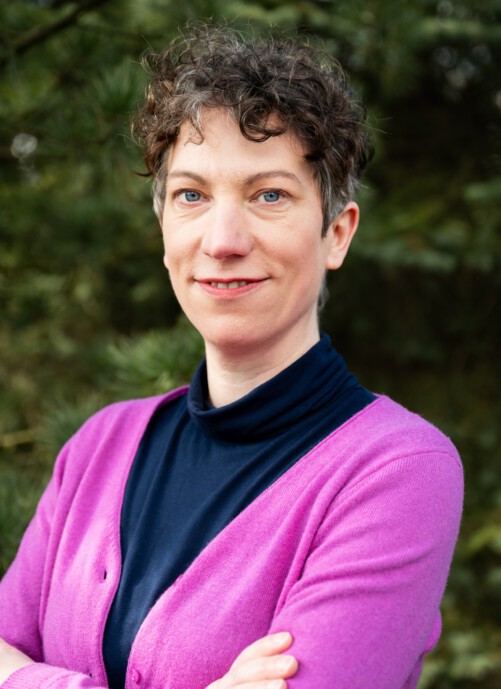
Nathalie Senf (Offener Prozess gGmbH, ein Dokumentationszentrum zum NSU-Komplex) ist für die Zusammenarbeit mit den in Zwickau ansässigen Initiativen, die sich im Rahmen von Aufarbeitung und Gedenken an die Opfer des NSU-Komplex engagieren, zuständig. Als studierte Opernsängerin und Gesangspädagogin lebt sie seit 2009 in Zwickau. In keiner anderen Stadt hat die im Ruhrgebiet aufgewachsene Künstlerin und politische Bildnerin länger gelebt.
Seit der Selbstenttarnung des NSU 2011 war sie zunehmend im Bereich Demokratiestärkung und politische Bildung aktiv, woraus sich ihr jetziger Beruf entwickelte. Dabei ist ihr seit 2019 wichtig, Ost- und West-Deutsche Perspektiven zusammen zu bringen, um innerdeutsche Vorurteile abzubauen und die Aufarbeitung der Wendezeit auch in die alten Bundesländer zu tragen. Sie fordert, endlich anzuerkennen, dass die politischen Entwicklungen im Land in gesamtdeutscher Verantwortung liegen
Prof. Dr. Vanessa-Isabelle Reinwand-Weiss, Direktorin der Bundesakademie für Kulturelle Bildung Wolfenbüttel
Dr. Michaela Stoffels, Referentin für Kultur und Bildung beim Deutschen Städtetag, Köln
In light of the current situation, cities are increasingly addressing the question of how cultural education can contribute to strengthening our democracy. What seems necessary is the development of a clear stance. The so-called “requirement of neutrality” must be viewed in a differentiated way. Incorporating methods of democracy and political education into municipal cultural education measures can significantly strengthen the resilience of urban residents and municipal cultural life.
Following introductory inputs, participants in the workshop will be able to exchange ideas on ways of strengthening democracy through municipal cultural education.
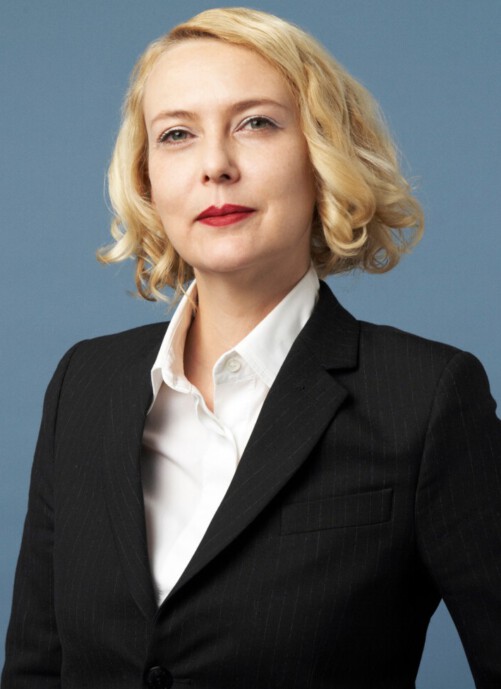
Dr. Sabine Dengel *1967, hat Politikwissenschaft, Soziologie, Sozialpsychologie und Philosophie an der Universität des Saarlandes studiert und über politische Erziehung im Deutschen Kaiserreich, dem NS-Staat und der DDR promoviert. Tätigkeiten im Hochschulbereich in Wissenschaft und Lehre, in der Stadtentwicklung sowie als freiberufliche Projektmanagerin für politische und kulturelle Bildung. Von 2008 bis 2021 hatte sie unterschiedliche Funktionen in der Bundeszentrale für politische Bildung inne: 2018-2020 Leiterin der Projektgruppe »politische Bildung & Kultur«; 2020-2021 Leiterin des Fachbereichs Förderung. Seit Oktober 2021 ist sie Dezernentin für Bildung, Kultur und Jugend der Landeshauptstadt Saarbrücken. Ihre inhaltlichen Schwerpunkte liegen in moderner politischer Theorie, Theorie politischer und kultureller Bildung, (historische) Bildungsforschung, Demokratietheorie.
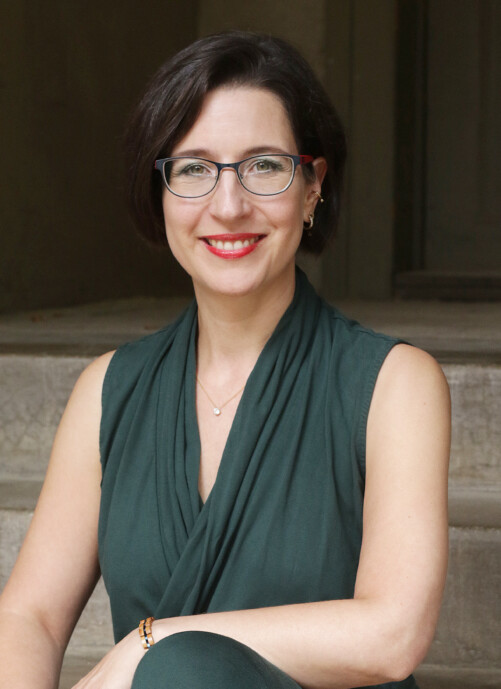
Prof. Dr. Vanessa-Isabelle Reinwand-Weiss studierte Pädagogik, Theater- und Medienwissenschaften, Italoromanistik und Philosophie in Erlangen und Bologna und schloss 2007 mit einer Arbeit zu Bildungs- und Lernprozessen im Theaterspiel ihre Promotion an der Universität Erlangen-Nürnberg ab. Anschließend leitete sie als Postdoktorandin eine Studie zur frühkindlichen Bildung an der Universität Fribourg (Schweiz). Nach einer Juniorprofessur Kulturelle Bildung am Institut für Kulturpolitik der Universität Hildesheim ist sie seit 2012 Direktorin der Bundesakademie für Kulturelle Bildung Wolfenbüttel und lehrt als Professorin für Kulturelle Bildung weiterhin in Hildesheim.
Vanessa-Isabelle Reinwand-Weiss ist in zahlreichen Gremien und Jurys Kultureller Bildung aktiv, so ist sie z.B. Gründungsmitglied des bundesweiten Netzwerkes Forschung Kulturelle Bildung, des Netzwerkes Frühkindliche Kulturelle Bildung und war von 2013 bis 2021 Mitglied des Rats für Kulturelle Bildung.
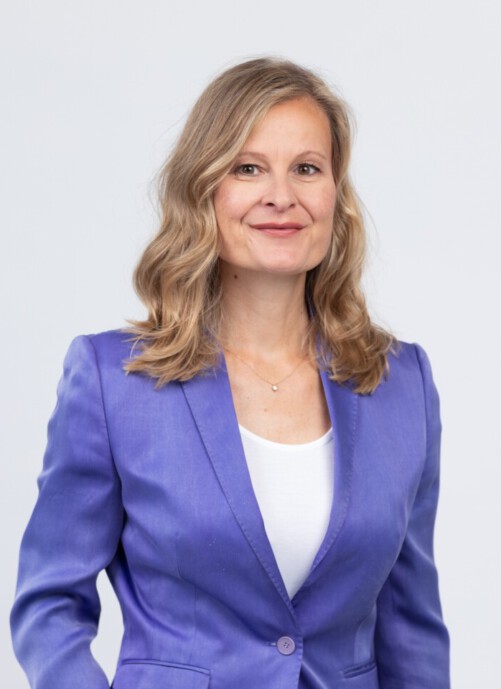
Dr. Michaela Stoffels *1970, ist Referentin für Kultur und Bildung beim Deutschen Städtetag. Ein Arbeitsschwerpunkt liegt im Bereich Erinnerungskultur / städtische Gedächtniseinrichtungen. Nach ihrem betriebswirtschaftlichen Studium und der Promotion in Neuerer Geschichte / Kunstgeschichte (Universität zu Köln) war sie 2008 bis 2019 als Studienleiterin für Kunst und als Grundsatzreferentin für Integration tätig. Parallel hat sie den Aufbaustudiengang Kulturmanagement (PH Ludwigsburg) sowie den Studiengang Kunstkritik & Kuratorisches Wissen (Universität Bochum) absolviert.
Eleanna Pitsikaki, Qanunist, Music Mediator & Lecturer
André Uelner, Kulturschaffender
The workshop forum “The Illusion of Neutrality: Transcultural Negotiation as a Stance” brings together artistic practice and research. It is based on experiences from transcultural music projects of the German State Philharmonic of Rhineland-Palatinate, accompanied over several years by diversity development consultant André Uelner, artistically shaped by musician Eleanna Pitsikaki, and ethnographically researched by Dr. Ronja Kampschulte as part of the EU project dialoguing@rts. In a participatory role play, the challenges of (trans)cultural practice in institutional contexts will become tangible. Together, participants will reflect on why neutrality often remains an illusion and which attitudes can be developed for a discrimination-sensitive cultural practice.
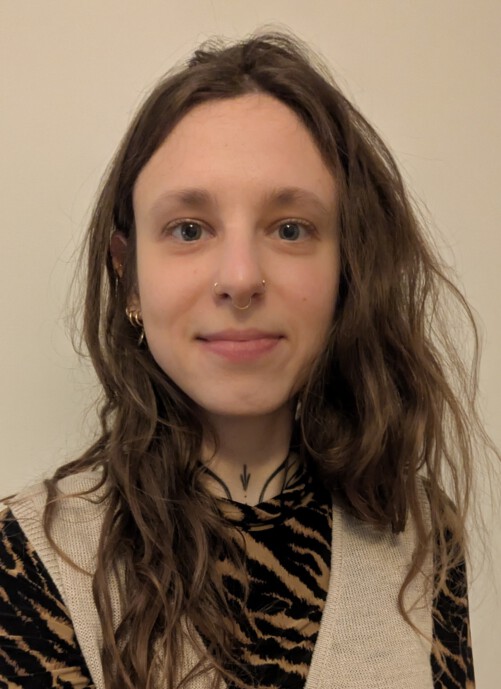
Dr. Ronja Kampschulte promovierte am Afrikanistik-Institut der Universität zu Köln über Performativität und Brüche in der interkulturellen Kunst- und Kulturvermittlung. Seit dem Jahr 2024 ist sie wissenschaftliche Mitarbeiterin am Institut für Europäische Musikethnologie der Universität zu Köln im Rahmen des EU-Horizon Projekts dialoguing@rts, wo sie in Italien, Deutschland und Serbien zur Förderung des sozialen Zusammenhalts durch die darstellenden Künste forscht. Von 2019-2024 war sie Referentin für Kulturelle Bildung bei der Stadt Ulm.
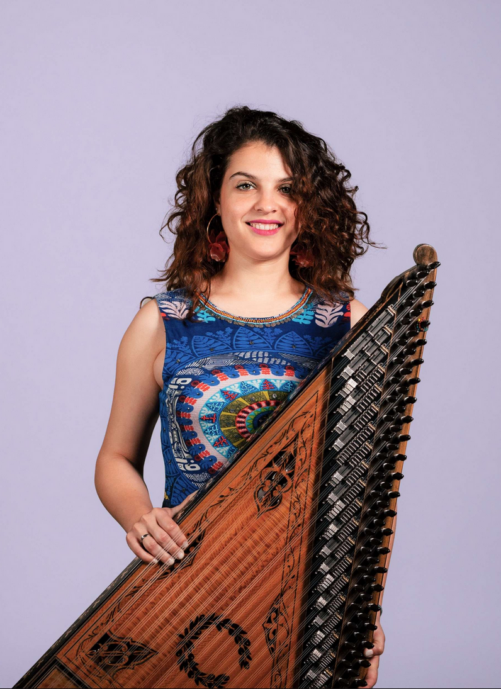
Eleanna Pitsikaki zählt zu den markantesten Stimmen der transkulturellen Musikszene ihrer Generation. Die in Kreta geborene Qanun-Virtuosin, transkulturelle Jazzmusikerin und Transkulturelle Musikvermittlerin verbindet auf einzigartige Weise musikalische Traditionen. Aktuell promoviert sie und setzt ihre künstlerisch-wissenschaftliche Forschung fort. Neben ihrer Tätigkeit als Dozentin an Institutionen wie der Hochschule für Musik Mainz und der Hochschule für Musik und Tanz Köln engagiert sie sich in internationalen Projekten zur interkulturellen Musikpädagogik. Sie war Co-Forscherin am Institut für Europäische Musikethnologie der Universität zu Köln im Rahmen des EU-Horizon Projekts dialoguing@rts.
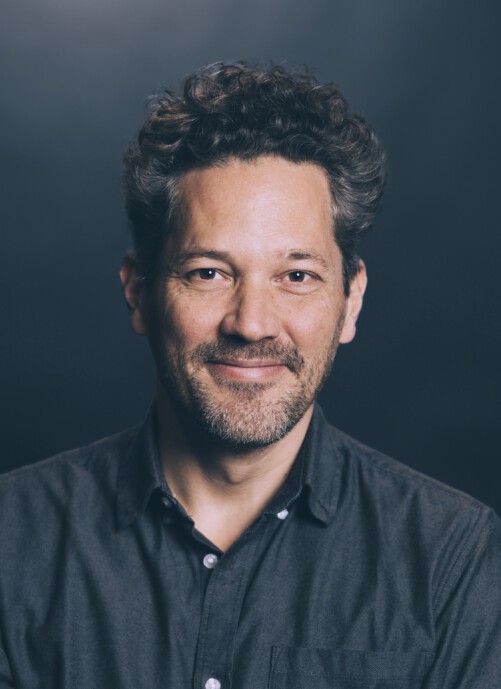
André Uelner war Leiter der Education Abteilung am Festspielhaus Baden-Baden, stellv. Schulleiter der Theaterpädagogischen Akademie der Theaterwerkstatt Heidelberg, Diversitätsagent im Programm 360° der Kulturstiftung des Bundes an der Deutschen Staatsphilharmonie Rheinland-Pfalz und Bildungsreferent der Bundesakademie für musikalische Jugendbildung Trossingen. Seine diversitätsorientierten Projekte wurden mehrfach ausgezeichnet, u.a. mit dem Preis ZukunftsGut.
Johanne Hoppstock, Teil des Künstler*innen-Duos by proxy
The workshop “Dear Future” invites participants on a journey to the year 2035: What does a world look like in which we have done everything possible to ensure that cultural policy remains capable of action and resilient in the face of authoritarian currents? In contrast to common doomsday narratives, we will explore constructive hope as a stance and a collective practice.
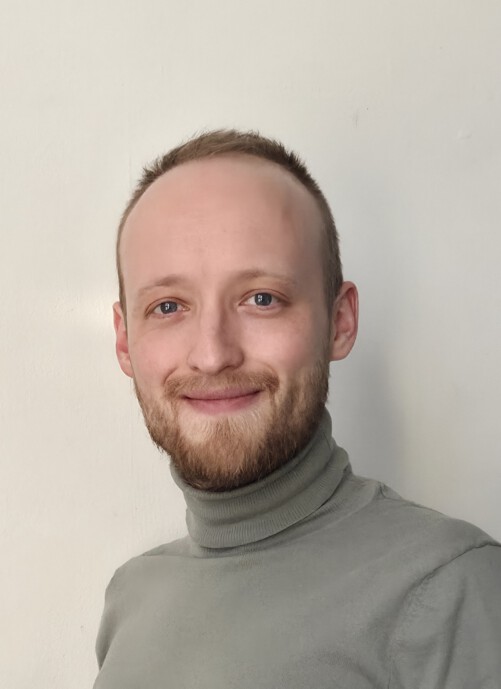
Dr. Stefan Gebhard ist Forscher, Künstler und Vermittler an der Schnittstelle Kunst, Politik und Gesellschaft. Zwischen 2020 und 2025 leitete er den Zertifikatsstudiengang Darstellendes Spiel an der Universität Koblenz. In seiner Dissertation untersuchte er die Arbeit von Künstler*innen an Schulen, weitere Publikationen kreisen um das Verhältnis ästhetischer und politischer Bildung. Als Teil des Künstler*innen-Duos by proxy entwickelt er performative und partizipative Formate, zuletzt das Workshop-Format Liebe Zukunft.
Johanne Hoppstock Johanne Hoppstock ist Künstlerin, Theaterpädagogin und Lehrerin am Rahel-Varnhagen-Kolleg Hagen. Sie arbeitet an den Schnittstellen ästhetischer Praxis, Kultureller Bildung und demokratischer Bildung mit einem Schwerpunkt auf kollektiver Vorstellungskraft als politische Praxis. Aktuell leitet sie Offener Prozess, ein Forschungstheaterprojekt, das sie im Rahmen ihres Unterrichts mit jungen Erwachsenen im zweiten Bildungsweg zu NSU, Erinnerung und Demokratie entwickelt. Als Teil des Künstler*innen-Duos by proxy entwickelt sie performative und partizipative Formate, zuletzt das Workshop-Format Liebe Zukunft.
Doris Sprengel, Freischaffende Künstlerin
The workshop focuses on the “Resistance Toolkit” — a walk-in, artistic-participatory installation by the Platform for Cultural Education Brandenburg, developed by Doris Sprengel and Constanze Eckert, which engages with activist art and creative forms of protest. As an open and constantly evolving system, it functions at the same time as a visualization, toolbox, and laboratory that grows continuously through participation. Participants reflect on and negotiate their own positions within the cultural sector using aesthetic means. They explore what they stand for, how resistant they can be, and where their limits lie. The toolkit serves as a source of inspiration for artistic strategies and concrete ideas for implementation in their own practice.
Constanze Eckert M.A., »Art in Context«. Seit vielen Jahren ist sie in unterschiedlichen Funktionen an den Rändern von Kunst- und Bildungssystem verortet. Nach künstlerischen Vermittlungs- bzw. Beteiligungsprojekten, Lehre, Fort- und Weiterbildungen für Multiplikator*innen und künstlerisch-wissenschaftlicher Begleitforschung ist sie derzeit Teil des Leitungstrios der Plattform Kulturelle Bildung Brandenburg.
Doris Sprengel M.A., Freischaffende Künstlerin an der Schnittstelle von Bildender Kunst, kultureller Bildung und gesellschaftspolitischen Fragestellungen. Ihre künstlerische Praxis zeichnet sich durch partizipative und kollaborative Ansätze aus, die Kunst als Medium für gesellschaftlichen Dialog und Transformation verstehen. Gefördert u. a. durch das Ministerium für Wissenschaft, Forschung und Kultur Brandenburg und die Plattform Kulturelle Bildung Brandenburg.
Nataša Kraljević, PhD, Director of ISCA, Mediterranean University Podgorica
Katarzyna Sitko, Director of the Polish Institute in Berlin
Jochen Butt-Pośnik, Head of the National Contact Point of the EU Programme »Citizens, Equality, Rights and Values«, Bonn
Brexit abruptly ended years of cultural partnerships between the UK and Europe. The dissolution of Yugoslavia continues to confront the countries of Southeast Europe with the question of how and where cultural networks must bridge divides. And in Poland and Hungary, cultural actors find themselves navigating between new possibilities and old fears.
Three guests, three regions, three lived experiences: In this session, cultural practitioners speak directly from their experience with cultural collaboration under pressure. Together, they will reflect on what it really takes to maintain dialogue, build trust, and uphold democratic values across borders when the ground is shifting beneath your feet. What keeps networks alive? How do cultural actors adapt, stay connected, and remain impactful in times of crisis?
Benjamin Feyen is a Brussels-based expert on EU policies affecting the Cultural and Creative Sectors. He is Co-Founder and Co-Chair of the »Forum on EU-UK Cultural & Media Relations«, an independent and non-partisan pan-European grassroots initiative aimed at improving post-Brexit cultural relations between the EU and the UK through a bottom-up approach. For many years, Benjamin has advocated for the rights and interests of authors, performers and artists. As a Policy Advisor to several Members of the European Parliament, he has negotiated numerous legislative files and political resolutions relevant to the Cultural and Creative Sectors, including the »Creative Europe« programme. From 2019 to 2024, Benjamin managed the »Cultural Creators Friendship Group«, an informal cross-partisan coalition within the European Parliament comprising over 30 MEPs from six political groups and 16 countries.
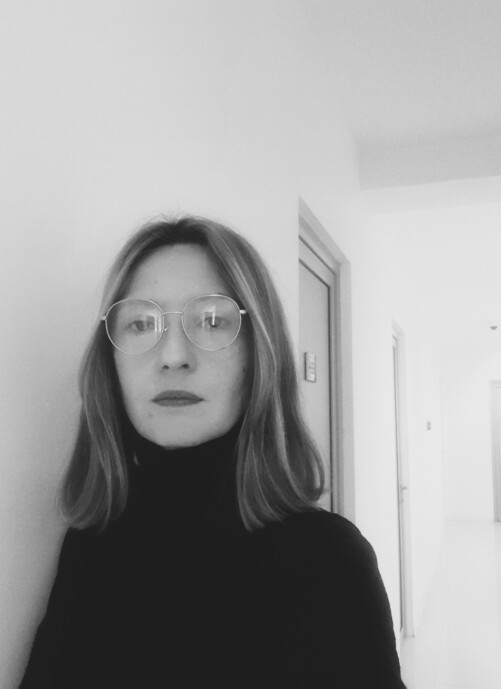
Nataša Kraljević, PhD is the Director of ISCA: Institute for Science, Culture and Arts, and a lecturer at the Faculty of Visual Arts at the University “Mediterranean” Podgorica. She earned her PhD in Marketing in Culture with the dissertation titled “Comparative Analysis of Cultural Diplomacy and Communication in Montenegro and Italy” at the Faculty of Economics and Business. As a Chevening Scholar of the UK Government, she completed her Master’s studies in Festival and Arts Management and Cultural Management at Queen Margaret University in Edinburgh. She also holds an LL.M degree in Intercultural Human Rights from St. Thomas University School of Law in Miami, USA, while her undergraduate studies were completed at the Faculty of Law of the University of Montenegro in Podgorica.
Since 2022, she has served as a national expert on cultural policy within the Compendium of Cultural Policies and Trends network. Within ISCA, she organizes the ARSUM University International Conference, which this year celebrates its fifth consecutive edition.
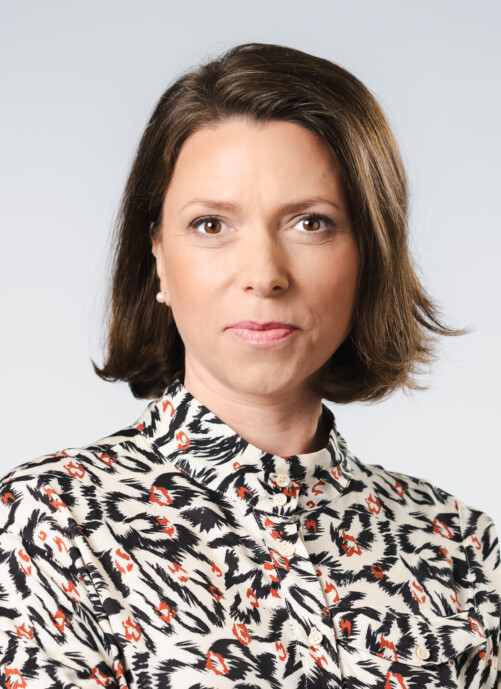
Katarzyna Sitko Cultural manager, curator, and expert in international cultural cooperation with more than twenty years of experience in the fields of cultural diplomacy, cultural policy, and transnational cultural exchange. She has developed and managed numerous international cultural projects, fostering dialogue and collaboration between cultural institutions, artists, and audiences across Europe. Her professional experience includes positions at the Hungarian Cultural Centre (Magyar Centrum) in Kraków and Austeria Publishing House, as well as leadership roles at the Polish Institute in Budapest, where she served as Deputy Director (2009–2012) and Director (2013–2017). Since April 2024, she has been heading the Polish Institute in Berlin.
Her work focuses on the role of culture in international relations, contemporary cultural diplomacy, and the challenges of representing national cultures in an increasingly interconnected and rapidly changing Europe. She is particularly interested in building sustainable networks of cooperation and creating platforms for dialogue that strengthen mutual understanding across borders.
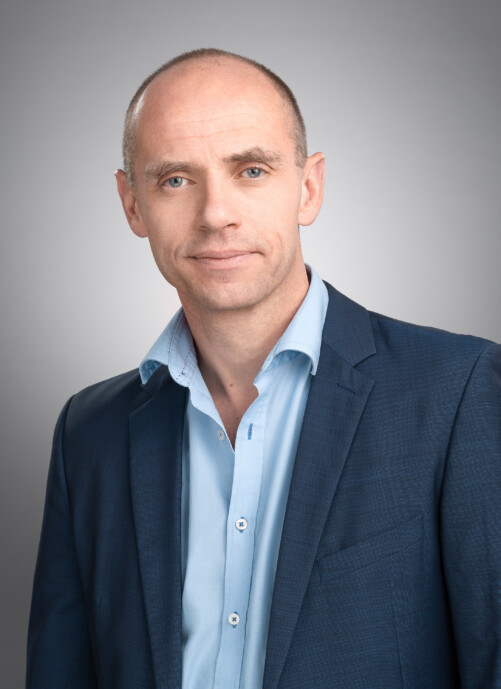
Jochen Butt-Pośnik is the head of the National Contact Point of the EU Programme »Citizens, Equality, Rights and Values« (CERV 2021 – 2027) in Germany. With his team he informs and advises potential applicants of the programme, supports in project development and international partner finding for projects in themes such as equality, anti-discrimination, remembrance, town-twinning etc. The carpenter and social scientist has been active for a long time in the European youth field and strongly relates with topics like youth participation and civic education. He was co-founder of the non-profit consulting office »Profondo« in Hannover/Germany and is a free-lance facilitator and moderator.
At this year’s congress, we are introducing the “Colorful Sofa” for the first time—a format designed to facilitate direct, personal dialogue with selected guests and speakers. It provides a setting for in-depth discussion of cultural policy issues within the context of the congress theme. The “Colorful Sofa” will be hosted by Peter Grabowski, the cultural policy reporter. The “Colorful Sofa” will be broadcast on the live channel of the Federal Congress on Cultural Policy, recorded, and subsequently posted on the congress website and our social media channels.
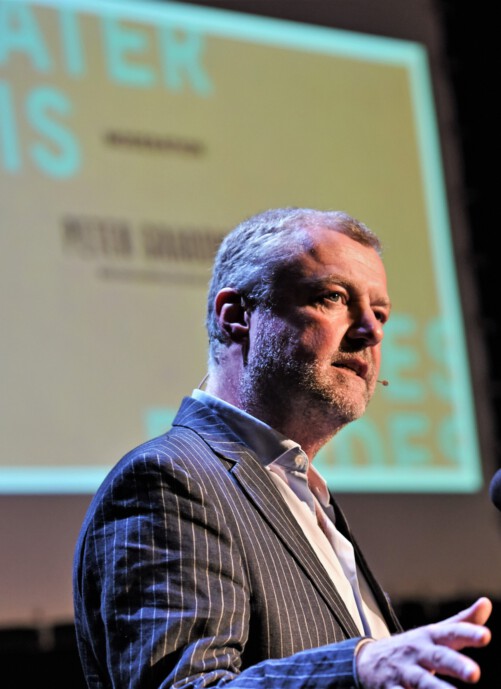
Peter Grabowski *1967, Journalist, ist seit 2010 als der kulturpolitische reporter u.a. für WDR, Publikums- und Fachmagazine sowie im eigenen Blog crossmedial tätig. Darüber hinaus moderiert er einzelne Podien und ganze Tagungen im Spannungsfeld von Politik und Kultur(-Wirtschaft). Er ist Mitglied bei netzwerk recherche, Lobbycontrol, Wikimedia und CORRECT!V.
Brachland-Ensemble realisiert seit 2011 Projekte zwischen zeitgenössischem Theater, journalistischer Recherche und politischer Bildung.
Die Themenauswahl spiegelt dabei die künstlerische Diversität wider: Veränderungen der gesellschaftlichen Atmosphäre, kritische Auseinandersetzungen mit Themen aus Wissenschaft, Politik und Medien als auch persönliche Fragestellungen bilden den Ausgangspunkt der Arbeiten. Daran schließen sich in der Regel intensive Recherchephasen im In- und Ausland an. So bereiste das Ensemble u.a. Indien, Tansania, Ghana, Syrien, Japan, Israel und Palästina als auch Schweden, Belgien und Deutschland und baute ein internationales Netzwerk zu Künstler*innen und Organisationen auf.
Christine Watty, Journalistin, Berlin (Moderation)
Dr. André Mumot geboren 1979 in Helmstedt, studierte Kulturwissenschaften und Ästhetische Praxis an der Universität Hildesheim und promovierte mit der Dissertation Bewegung und Subjekt. Zur Kontinuität eines literarischen Motivs von Petraca bis Stifter, von Bernhard bis Ransmayr.
Als freier Journalist hat er unter anderem für die Hannoversche Allgemeine Zeitung, die Hildesheimer Allgemeine Zeitung sowie für nachtkritik.de geschrieben. Seit 2014 ist er im Deutschlandfunk Kultur als Redakteur tätig und moderiert die Sendung »Fazit – Die Kultur vom Tage«, sowie das Theatermagazin »Rang 1«. Außerdem ist er regelmäßig als Theaterkritiker und Kulturjournalist zu hören. Er moderiert literarische Lesungen mit AutorInnen wie Coco Mellors, Jenny Mustard und Jasper Fforde.
Als Übersetzer englischsprachiger Romane und Sachbücher hat er die Werke namhafter AutorInnen wie Neil Gaiman, Jo Nesbø, Nick Harkaway, Cornelia Funke und Graham Moore für verschiedene Verlage wie Penguin, Hanser oder Berlin Verlag ins Deutsche übertragen. Seine Übersetzung des Romans Wunder von Raquel J. Palacio wurde 2014 mit dem Deutschen Jugendliteraturpreis ausgezeichnet. Seit 2021 übersetzt er für den Eichborn Verlag die »Stranger Times« und »Bunny McGarry« -Reihen des irischen Schriftstellers C. K. McDonnell.
Im Tectum-Verlag erschien 2008 sein Buch »Irrwege zum ich – Eine kleine Literaturgeschichte des Gehens«. Seine Romane Muttertag (2016) und Geisternächste (2018) werden bei Eichborn verlegt.
Christine Watty , Berlin, ist Redaktionsleiterin und Moderatorin bei Deutschlandfunk Kultur. Sie betreut Radiosendungen, moderiert und konzipiert neue digitale Formate. Ihre Themen: Kultur und Politik sowie die dazugehörigen gesellschaftlichen Diskurse und Debatten.
Kirsten Haß, Executive Board, Kulturstiftung des Bundes
Peter Laudenbach, Journalist and theatercritic, Süddeutsche Zeitung
Prof. Dr. Beate Küpper, Social psychologist and Professor of Social Work in Groups and Conflict Situations Hochschule Niederrhein, Deputy Head of the affiliated institute SO.CON – Social Concepts
What priorities and structures currently underpin cultural funding?
What are the broader societal effects of tightening financial leeway, especially given that culture, as a “pre-political space,” is particularly affected by “culture wars”?
Is there a need for alternative funding structures?
Or is what is needed above all a better use of existing resources and a strengthening of the cultural sector as a whole, as a central arena in which attacks on liberal, pluralist democracy are being fought out?
How can cultural institutions be more strongly perceived and supported as places of negotiation and deliberation, and thus help counteract (perceived) polarization?
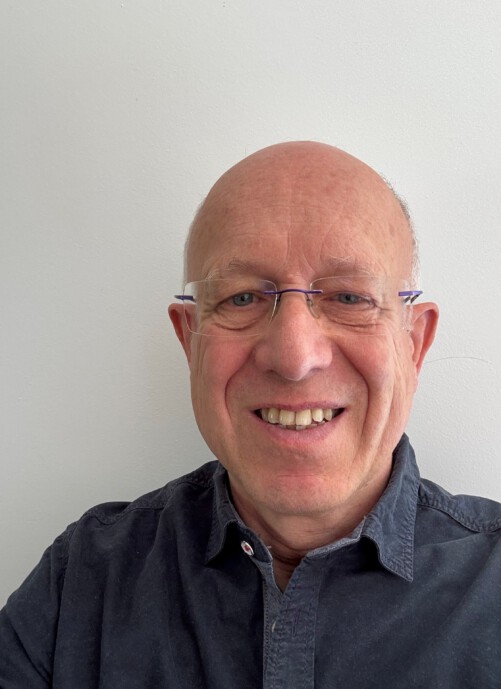
Prof. Dr. Lluís Bonet Director of the Cultural Management Program and Professor of Economics at the University of Barcelona. Expert in cultural economics, cultural management and cultural policies. Honoured with the ENCATC Award Laureate for Outstanding Contribution (2023) and the Catalan Audiovisual Council Research Award (2002). He has been a visiting researcher in different universities and guest lecturer in more than fifty countries. He has served on the boards of many cultural and academic institutions, and on juries and editorial boards of academic journals. He has participated in numerous international projects funded by the Horizon Europe, Creative Europe, Erasmus+ or Research Council of Norway programs. Publications connected to the congress theme are: La politique culturelle de Vox en Espagne : du laboratoire institutionnel à la dispute stratégique (2026), Direct government contribution to culture: legitimacy, financial mechanisms and level of spending compared internationally (2025), Cultural policies in illiberal democracies: a conceptual framework based on the Polish and Hungarian government experiences (2020).
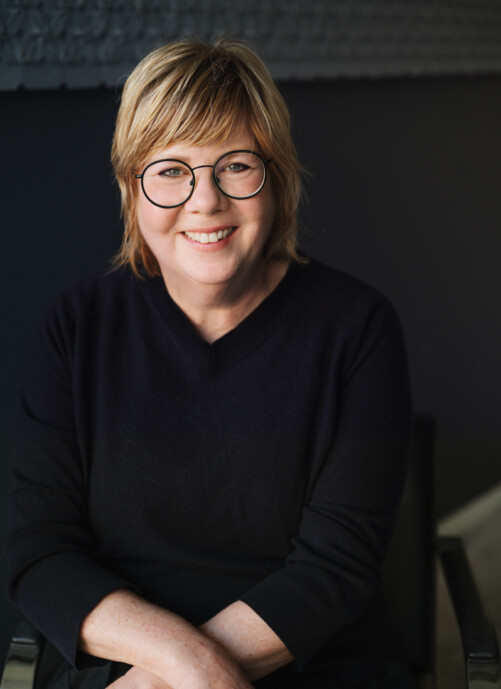
Kirsten Haß Kirsten Haß studied German studies and communication studies in Berlin.
After several years as Head of PR in the book trade, she served until 2006 as Managing Director of the Lower Saxony Association of Independent Theatres (Landesverband Freier Theater Niedersachsen), spokesperson for the Independent Cultural Associations of Lower Saxony (Freie Kulturverbände Niedersachsen), and Chair of the Federal Association of Independent Performing Arts (Bundesverband Freie Darstellende Künste).
Evaluation in the cultural sector was already a focus of her lectures and seminars during this period.
In 2007, she joined the German Federal Cultural Foundation (Kulturstiftung des Bundes), initially as Head of General Project Funding, and from 2011 onward she headed the foundation’s Funding and Programmes Division.
In 2020, Kirsten Haß moved into the position of Administrative Director and, together with Katarzyna Wielga-Skolimowska, forms the Executive Board of the German Federal Cultural Foundation (Kulturstiftung des Bundes).
publicmarketing

Peter Laudenbach Peter Laudenbach reports from Berlin for the Süddeutsche Zeitung on theatre and cultural policy, and he has spent years researching right-wing culture wars.
In addition to interview books with Alexander Kluge and Frank Castorf and a book on the sociology of organization co-authored with two management consultants, he published the book Popular Theatre: The Right-Wing Attack on Artistic Freedom in 2023 with Verlag Klaus Wagenbach (Verlag Klaus Wagenbach).

Prof. Dr. Beate Küpper Prof. Dr. Beate Küpper, born in 1968 and raised in Essen, studied at Philipps University Marburg (Philipps-Universität Marburg) and earned her doctorate at Ruhr University Bochum (Ruhr-Universität Bochum).
She is a social psychologist and Professor of Social Work in Groups and Conflict Situations at Niederrhein University of Applied Sciences (Hochschule Niederrhein) in Mönchengladbach, as well as Deputy Head of the affiliated institute SO.CON – Social Concepts (SO.CON – Social Concepts).
She is currently also involved in establishing the new Conflict Academy at the Institute for Interdisciplinary Research on Conflict and Violence (Institut für interdisziplinäre Konflikt- und Gewaltforschung) at Bielefeld University (Universität Bielefeld).
Her areas of work include diversity, integration, group-focused enmity, right-wing populism, and right-wing extremism, especially at the intersection of research and practice and in relation to civic education.
Since 2014, she has been a co-author of the “Mitte Study” (“Mitte-Studie”) on right-wing extremist and democracy-endangering attitudes in Germany, conducted on behalf of the Friedrich Ebert Foundation (Friedrich-Ebert-Stiftung).
Dr. Daniel Gad, Kulturpolitik- und Kulturvermittlungsforscher, Geschäftsführer des UNESCO-Lehrstuhls für Kulturpolitik, Universität Hildesheim
Prof. Dr. Julius Heinicke, Professor für Kulturpolitik und Inhaber des UNESCO-Lehrstuhls für Kulturpolitik für die Künste in Entwicklungsprozessen, Universität Hildesheim
Olaf Martin, Geschäftsführer, Landschaftsverband Südniedersachsen
Anneli Strömqvist, Kulturrätin, Schwedische Botschaft
Experience in recent years has shown that Germany needs a system of public cultural funding that is more independent of political influence. This is the only way to prevent funding decisions from being used to influence artistic content and to avoid creating a “soft” form of censorship or an environment of affirmative “state art.” While the freedom of art guaranteed by the Basic Law remains formally intact—since artists are still free to say and do as they please—they do not receive public funding for everything. This does not do justice to the understanding of art and culture as autonomous spaces for debate and reflection.
In Sweden and other Nordic countries, the British “arm’s-length principle” has been further developed: the government guarantees funding, while independent bodies decide on the direction and allocation of funds. In Germany, however, the influence of the current government remains significant. The Nordic countries have been more consistent in this regard.
Cultural policy must therefore take the first steps toward independent public cultural funding in line with the arm’s-length principle:How should independent bodies be composed and their experts appointed?
How can a dialogue with politicians and ministries succeed on an equal footing and without political control?
How can political influence be limited through the allocation of funds, and how can the predictability of public funding be made less dependent on shifting majorities?
The search for answers should involve a diverse range of voices from society. The goal must be a model for supporting the arts and culture that strengthens democracy and the rule of law.
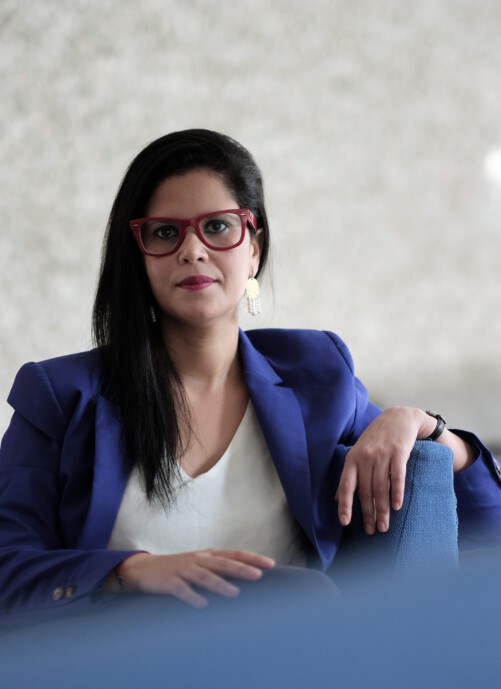
Meriam Bousselmi ist Wissenschaftliche Mitarbeiterin und Lehrende am UNESCO-Lehrstuhl für Kulturpolitik an der Universität Hildesheim. Ihre Forschung verbindet Rechts- und politische Theorie, Performance Studies, kritische Theorie und Kulturpolitik. In ihrer Dissertation „Staging (In)Justice: Towards a Performance-Based Theory of Justice“ entwickelt sie eine performancetheoretische Perspektive auf Gerechtigkeit, Zeugenschaft und kollektive Handlungsfähigkeit. Zuvor war sie wissenschaftliche Mitarbeiterin im DFG-Graduiertenkolleg 2477 „Ästhetische Praxis“. Sie ist zudem Autorin, Regisseurin und seit 2010 als Anwältin in Tunesien zugelassen. Ihre aktuellen Arbeiten beschäftigen sich mit (gegen-)normativen Ordnungen, diasporischen Perspektiven und den politischen Bedingungen kultureller Förderung.
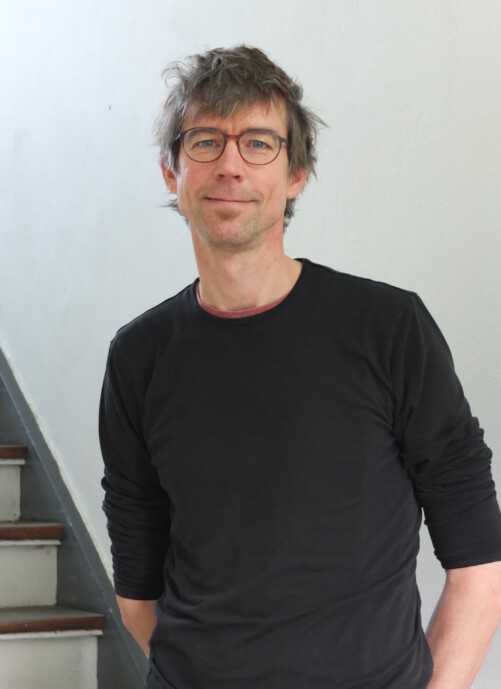
Dr. Daniel Gad
ist Kulturpolitik- und Kulturvermittlungsforscher. Er ist Mitbegründer des UNESCO-Lehrstuhls für Kulturpolitik an der Universität Hildesheim und seit 2012 dessen Geschäftsführer (www.uni-hildesheim.de/unescochair). Seine Arbeit fokussiert Themen wie urbane und ländliche Transformationsprozesse im Kontext künstlerischer Praxis und Kulturvermittlung, künstlerische Freiheit, Artistic Literacy, Vernetzung im Kulturbereich, Formate internationaler Zusammenarbeit, die transformative Kraft der Künste sowie Nachhaltigkeit.
In diesem Kontext entstand unter seiner Leitung die Arts Rights Justice Online-Library (www.arj-library.de). Darüber hinaus war er Mitglied des Beirats der Martin-Roth-Initiative (2018–2022). Er war Teil der Hildesheimer Bewerbung zur Europäischen Kulturhauptstadt 2025 und leitete 2014 das Management der ICCPR2014 auf dem Kulturcampus. Er arbeitete mit ifa, Goethe-Institut, GIZ und der Heinrich-Böll-Stiftung sowie dem International Cities of Refuge Network, Arterial Network, Culture Resource und ADIR zusammen. Seine Promotion (2013) untersuchte die auswärtige Kulturpolitik der nordischen Länder. Zudem war er Mitglied des UNESCO U40-Netzwerks »Cultural Diversity 2030«.
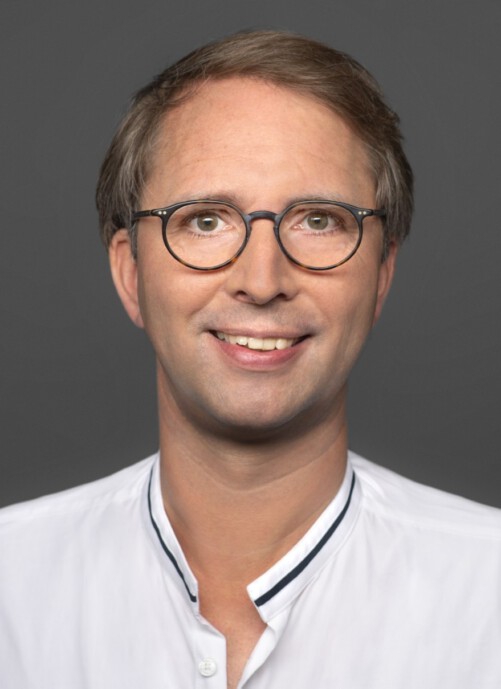
Prof. Dr. Julius Heinicke ist Professor für Kulturpolitik und Inhaber des UNESCO-Lehrstuhls für Kulturpolitik. Er ist Dekan des Fachbereichs und geschäftsführender Direkter des Instituts für Kulturpolitik der Universität Hildesheim.
Julius Heinicke ist Visiting Professor an der University of Toronto in Kanada und der University of Arts in Belgrad, Serbien und leitet mehrere Forschungsprojekte zu kulturpolitischen Feldern (DFG, BMBF, EU Horizon).
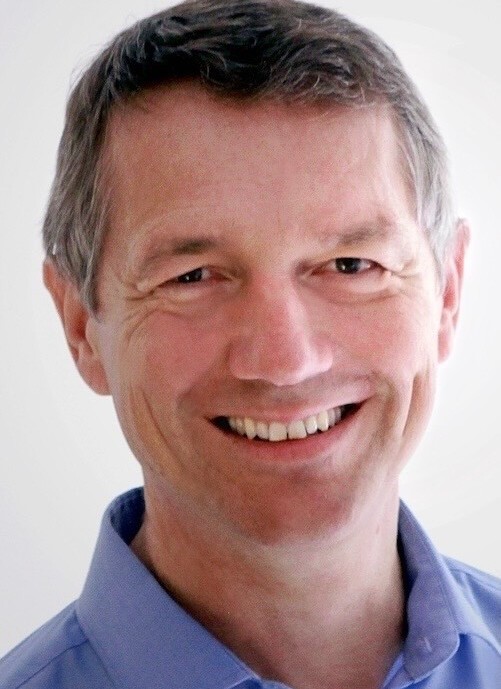
Olaf Martin , geboren 1961, aufgewachsen in Frankfurt am Main. Studium der Katholischen Theologie in Freiburg und München (Vordiplom), der Forstwissenschaft in Göttingen. Referendariat in der Hessischen Forstverwaltung. Seit 1992 Geschäftsführer des Landschaftsverbandes Südniedersachsen, einem kommunalem Verband für regionale Kulturförderung mit Sitz in Göttingen. Projekte, Vorträge und Veröffentlichungen zur Optimierung von Förderverfahren, zu Kulturdatenbanken, Evaluierung und Kulturforschung.

Anneli Strömqvist
Dr. Skadi Jennicke, Bürgermeisterin und Beigeordnete für Kultur der Stadt Leipzig
Christina Stausberg, Hauptreferentin für Kultur des Deutschen Städtetags, Köln
Art and culture aim to open spaces for discourse and to advance processes of social and political negotiation through their ideas, formats, and offerings. They operate under the protection of artistic freedom, a highly valued principle of our liberal democracy. At the same time, this principle is coming under increasing pressure. We are witnessing growing social polarization and a “culture war” over what is right and wrong, and over the values of our liberal democracy. This social conflict also affects the public funding of art and culture. Public authorities must position themselves: To what extent should they act as neutral guardians of artistic freedom and as mediators in relation to other fundamental rights, and how far should they set their own goals and pursue steering ambitions?
In this panel, we will use real and fictional examples to explore how far such steering may — or even must — go in tension with artistic freedom, and to what extent public cultural funding must place limits on itself.
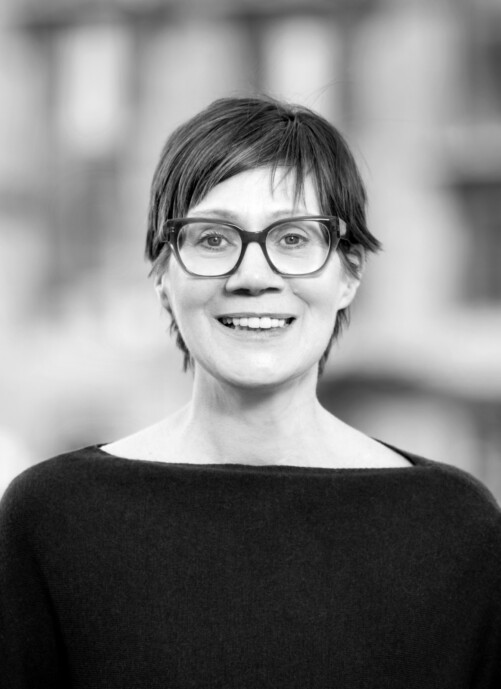
Heike Herold ist Geschäftsführerin von Soziokultur NRW, Mitglied im Vorstand des Bundesverbands Soziokultur sowie stellvertretende Vorstandsvorsitzende des Kulturrats NRW.
Seit über 25 Jahren ist Heike Herold im Kulturbetrieb tätig, v.a. mit dem Schwerpunkt Kulturförderung. Bei Soziokultur NRW setzt sie sich dafür ein, die Rahmenbedingungen für kulturelle Vielfalt in Nordrhein-Westfalen zu stärken und die Potenziale der Soziokultur sichtbar zu machen. Gemeinsam mit ihrem Team berät sie Initiativen, Institutionen und Künstler*innen in kulturpolitischer und konzeptioneller Hinsicht.
Vorherige berufliche Stationen waren u.a. die Leitung des Kulturbüros im Landesprogramm Regionale Kulturpolitik in Ostwestfalen-Lippe und die Referatsleitung für Kulturförderung/Kulturpartnerschaften beim Landschaftsverband Westfalen-Lippe.
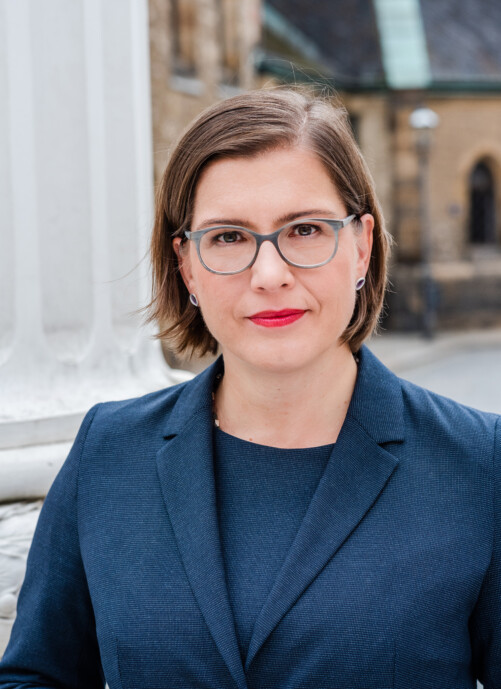
Dr. Skadi Jennicke , *1977 in Leipzig. Sie studierte Dramaturgie an der Hochschule für Musik und Theater »Felix Mendelssohn Bartholdy« in Leipzig und promovierte zur Dr. phil. an der Martin-Luther-Universität Halle-Wittenberg. Sie arbeitete als Dramaturgin an verschiedenen Theatern Deutschlands, langjährige Lehrbeauftragte an der Hochschule für Musik und Theater »Felix Mendelssohn Bartholdy« sowie Lektorin für Deutschland Radio in Berlin. Von 2009 bis 2016 war sie Mitglied der Ratsversammlung der Stadt Leipzig. Im Juni 2016 wurde sie zur Bürgermeisterin und Beigeordneten für Kultur der Stadt Leipzig gewählt. In dieser Funktion verantwortet sie die kommunale Kulturlandschaft – von den Eigenbetrieben und Beteiligungsgesellschaften Kultur über die städtischen Museen bis hin zur freien Kunst- und Kulturszene.
Christina Stausberg *1967, ist Hauptreferentin für Kultur beim Deutschen Städtetag in Köln. Sie studierte Politikwissenschaften, Germanistik und Soziologie an der Westfälischen Wilhelms-Universität in Münster. Ihre Magisterarbeit bei Prof. Paul Kevenhörster befasste sich mit der Entwicklung rechtsextremer Parteien in der Bundesrepublik Deutschland. Nach zehnjähriger Tätigkeit in der kommunalen Praxis wechselte sie 2007 zu den kommunalen Spitzenverbänden. Dort war sie zunächst in der Sozial- und Arbeitsmarktpolitik tätig, bis sie 2017 in die Kulturpolitik wechselte.
Jürgen Korbinian Enninger, Vorstandsvorsitzender von Stadtkultur – Gemeinsame Kulturarbeit der bayerischen Städte
David Nethen, Leitung des Amtes für Kultur und Weiterbildung, Kreisstadt Unna
Dr. Dieter Rossmeissl, Kulturreferent a.D., Stadt Erlangen
Julia Sagasser, Referentin, Deutscher Städte- und Gemeindebund
Social polarisation and fragmentation also pose new challenges for cultural policy: How do we reach people beyond the familiar social milieus? Where do spaces for exchange, mutual understanding, and democratic participation emerge? Medium-sized and small towns play a central role here, yet they often remain overlooked in cultural policy debates.
As bridging spaces between rural regions and urban centers, they are places where social negotiation processes take concrete shape. It is here that it is decided whether cultural infrastructure can serve as a connecting element — or whether social divisions will continue to deepen. At the same time, smaller administrations in particular face intense resource pressure and depend on sharing experiences, strategies, and formats rather than constantly having to develop them from scratch.
The forum sees itself as a jointly shaped space for reflection and work. Short inputs from research, municipal practice, and existing network structures will be directly linked to the experiences and perspectives of participants and related to one another. The aim is to jointly sharpen key questions: What structural conditions are needed for medium-sized and small towns to actively shape their role as bridging spaces? How can supra-regional networking be organised in concrete and sustainable ways? And what first steps can be derived directly from local experience?
Simone Duggan ist Amtsleiterin des Schulverwaltungs-, Sport- und Kulturamtes der Stadt Troisdorf. In dieser Funktion verantwortet sie die strategische und operative Steuerung zentraler kommunaler Aufgaben in den Bereichen Schule, Sport und Kultur. Dazu zählen unter anderem die Schulentwicklungsplanung, die Ausstattung und Digitalisierung von Schulen, schulische Infrastruktur, Sportförderung, Sportstättenentwicklung sowie seit 2026 auch kulturelle Einrichtungen und Veranstaltungsstrukturen.
Ein besonderer Schwerpunkt ihrer Arbeit liegt auf der ressortübergreifenden Zusammenarbeit, der Weiterentwicklung kommunaler Prozesse und der Frage, wie Verwaltung unter herausfordernden finanziellen und gesellschaftlichen Rahmenbedingungen handlungsfähig, serviceorientiert und zukunftsfest bleiben kann. Dabei verbindet sie verwaltungsfachliche Steuerung mit einem praxisnahen Blick auf Schulen, Vereine, Kulturschaffende und die Bedürfnisse der Stadtgesellschaft. Ihre Arbeit ist geprägt von Gestaltungswillen, klarer Kommunikation und dem Anspruch, kommunale Angebote nachhaltig weiterzuentwickeln.
Jürgen Korbinian Enninger ist seit 2024 erster Vorstand von STADTKULTUR – Netzwerk Bayerischer Städte e.V. sowie Vorstandsmitglied des Bundesverbands Industriekultur (BIKD). Von 2020 bis 2026 Referent für Kultur, Welterbe und Sport der Stadt Augsburg und zuvor von 2014 bis 2020 Leiter des Kompetenzteams Kreativwirtschaft in München sowie von 2010 bis 2014 Leiter des Regionalbüros des Kompetenzzentrums Kultur- und Kreativwirtschaft des Bundes in Bayern.
Enninger studierte Religionspädagogik sowie Sprachen-, Wirtschafts- und Kulturraumstudien mit Schwerpunkt Südostasienkunde (jeweils Diplom). Berufliche Stationen führten ihn ins Musikmanagement, zur Bayerischen Staatsoper und als Geschäftsführer zum Label ENJA Records. Internationale Erfahrungen sammelte er in Hong Kong, Kanada und den Niederlanden.
Ehrenamtlich engagierte er sich u.a. im Vorstand des Verbands unabhängiger Musikunternehmen (VUT) sowie bei Jazz- und Worldpartners. Von 2016 bis 2020 war er Sprecher des Netzwerks der öffentlichen Fördereinrichtungen für Kultur- und Kreativwirtschaft in Deutschland, von 2018 bis 2020 Mitglied im Beirat Bildung und Diskurse des Goethe-Instituts. Seit 2023 gehört er dem Policy Club for Culture and Creativity des European Institute of Innovation and Technology (EIT) an.
David Nethen Geboren 1973 in den USA, aufgewachsen in Louisiana. Studium des Gesangs am Oberlin Conservatory (USA) und an der Musikhochschule Stuttgart; Engagements als Opernchorsänger mit Soloverpflichtung in Koblenz und Essen. Nach dem Lehramtsstudium Musik (1. und 2. Staatsexamen) mehrjährige Tätigkeit als Gymnasiallehrer mit Schwerpunkt kulturelle Bildung Wechsel in die Kommunalverwaltung, u.a. Leitung des Regionalen Bildungsbüros der Stadt Oberhausen.
Seit 2024 Leiter des Amtes für Kultur und Weiterbildung der Kreisstadt Unna, verantwortlich für Volkshochschule, Stadtarchiv, Bibliothek, Museum, Jugendkunstschule, Kulturbüro sowie internationale Kooperationen. Co-Festivalleiter von »Mord am Hellweg«, dem größten europäischen Krimifestival, Verantwortlicher für die Stadt Unna für das interkommunale Projekt »Filmregion Hellweg«. Zuvor Referent der Heinrich-Böll-Stiftung NRW und Gesellschafter des Netzwerks Zukunftschancen.
Ehrenamtlich engagiert er sich als Vorsitzender des queer-politischen Vereins Kreis Queersen e.V. und als Jurymitglied des bundesweit beachteten Rio-Reiser-Songpreises. Zudem publiziert er regelmäßig zu Themen kultureller Demokratie, Bildungswende und Diversität, u.a. in Podcasts und Blogs.
Thematische Schwerpunkte: kulturelle Demokratie, kulturelle Bildung, Diversität, Nachhaltigkeit, Verwaltungstransformation und die Verzahnung von Kultur- und Bildungsstrategien.
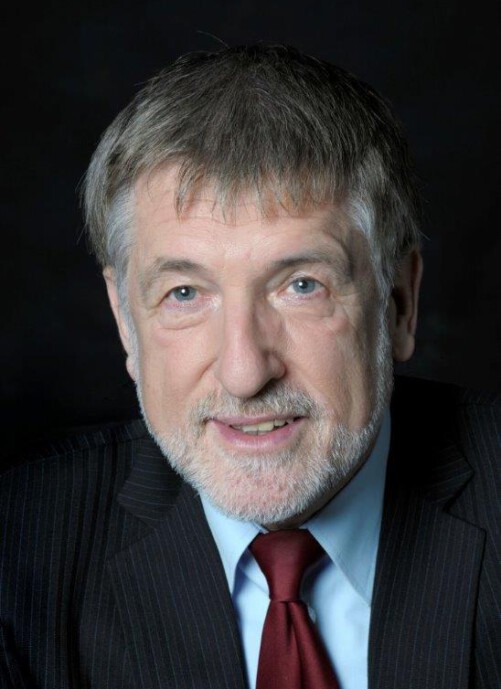
Dr. Dieter Rossmeissl hat in Erlangen Geschichte, Politik und Germanistik studiert und viele Jahre an einem Gymnasium unterrichtet. Von 1982 – 2000 war er Mitglied des Nürnberger Stadtrats, von 2000 bis 2017 Dezernent der Stadt Erlangen für Kultur, Bildung und Jugend. Er gehörte über 30 Jahre den Kultur- und Bildungsausschüssen des Deutschen und des Bayerischen Städtetags an und war Geschäftsführer des Kulturforums der Metropolregion Nürnberg. In der Kulturpolitischen Gesellschaft war er von 2006 bis 2018 Mitglied des Bundesvorstands und gehört deren Landessprecherrat an. Er lehrt am Pädagogischen Institut der Universität Erlangen-Nürnberg Kulturpolitik. Zudem liegen von ihm zahlreiche Publikationen zur Zeitgeschichte, zur Kultur- und Bildungspolitik sowie zu Demokratie vor.
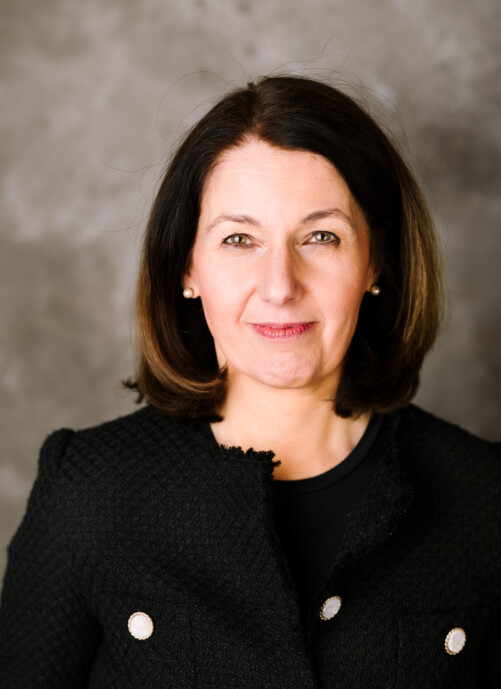
Julia Sagasser ist Kunsthistorikerin und seit Juli 2021 beim Deutschen Städte- und Gemeindebund tätig. Seit September 2024 verantwortet sie dort als Referentin den Bereich Kulturpolitik. Ihre Arbeitsschwerpunkte liegen in der kulturellen Bildung, der Sicherung und Weiterentwicklung kultureller Infrastruktur – insbesondere in kleineren Städten und Gemeinden – sowie in der kulturellen Integration. Sie arbeitet in diesem Zusammenhang u. a. eng mit Partnern wie dem Verband deutscher Musikschulen und dem Deutschen Bibliotheksverband und der Initiative für kulturelle Integration zusammen.
Marcus Heinke, Kulturmanager und Kulturwissenschaftler
Peggy Piesche, Leitung Referat 34 Zielgruppenspezifische Veranstaltungen sowie kommissarische Leitung Referat 35 Kulturelle Formate, Bundeszentrale für politische Bildung/bpb
Emma Roßbach, Wissenschaftliche Mitarbeiterin an der Professur für Soziologie, TU Chemnitz
“Fighting for Culture – Strategic Cultural Funding for a Resilient Society”
Chemnitz’s bid to become European Capital of Culture 2025 emerged in the context of the far-right riots of 2018 and civil society counter-movements. As a cultural policy response, it aimed to strengthen democratic spaces, build networks, and make urban society more resilient — despite hostility from the far right.
The forum focuses on the question “Funding as a point of entry?”: How do funding structures protect democratic cultural work, and where do they make it vulnerable? A world café will discuss the Chemnitz experience and its transferability for resilience-building and alliances.
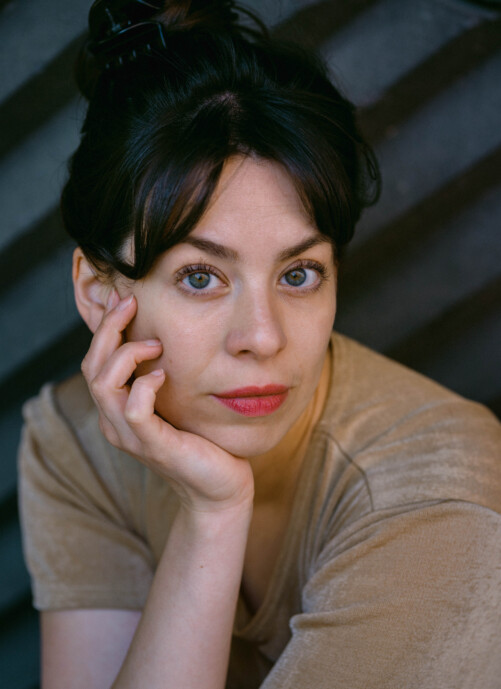
Caroline Galvis Caroline Galvis ist Schauspielerin, Figurenspielerin und Moderatorin. Seit 2024 ist sie festes Ensemblemitglied am Figurentheater Chemnitz. Als Moderatorin begleitet sie Veranstaltungen und Gesprächsformate mit Fokus auf Vernetzung und Kulturpolitik. Sie ist Vorstandsmitglied des Verbands der Freien Darstellenden Künste in Chemnitz. In der »Europäischen Werkstatt für Kultur und Demokratie« der Kulturhauptstadt Europas Chemnitz 2025 war sie sowohl als Moderatorin von Diskursveranstaltungen als auch als Projektträgerin des Projektes »Two Towns« involviert.
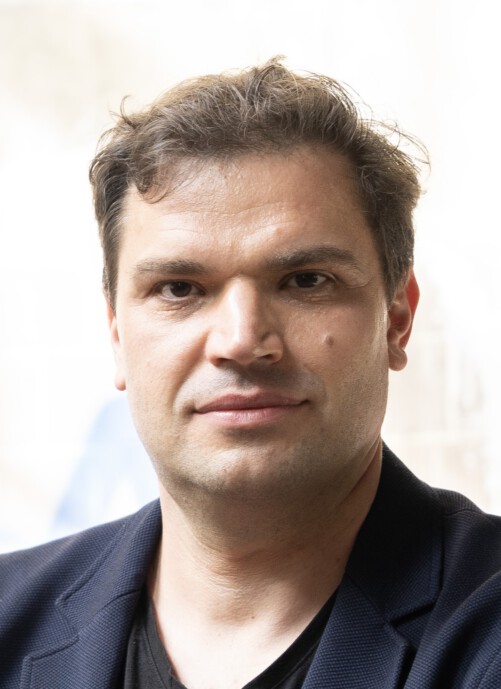
Marcus Heinke ist Kulturmanager und -wissenschaftler mit Schwerpunkt auf strategischer Kulturentwicklung und Geschichte und Aktualität des staatlichen Förderwesens in Deutschland. Er arbeitet seit mehr als zehn Jahren für einen Dachverband der Kulturarbeit, Jugendarbeit und Demokratiebildung in Chemnitz und ist langjähriger Sprecher der Landesgruppe Sachsen der Kulturpolitischen Gesellschaft. Zusammen mit Pascal Anselmi entwickelte und verantwortet er das übergeordnete Projekt »Europäische Werkstatt für Kultur und Demokratie« für die Kulturhauptstadt Europas Chemnitz 2025.
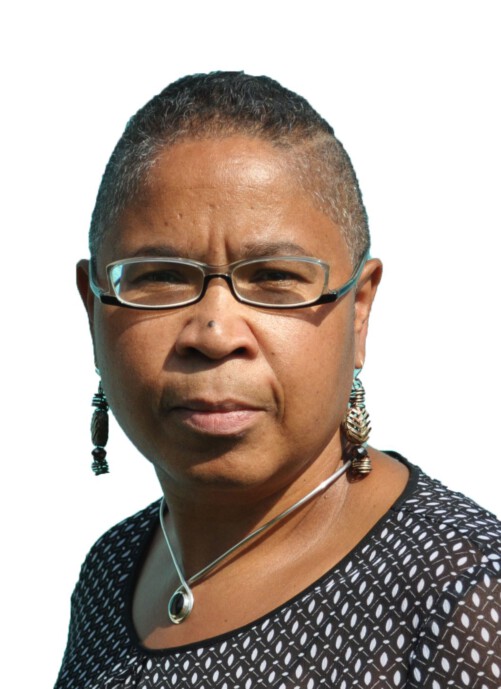
Peggy Piesche ist Literatur- und Kulturwissenschaftlerin und arbeitet in der Bundeszentrale für
politische Bildung. Sie war Fachbeirat für das Programm »Europäische Werkstatt für Kultur- und
Demokratie«.
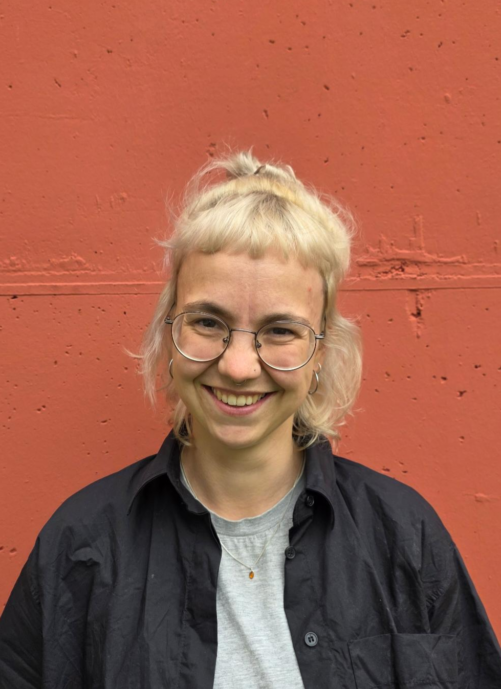
Emma Roßbach arbeitet im Fachbereich Soziologie der TU Chemnitz und ist mit der Evaluation der
Kulturhauptstadt Europas Chemnitz 2025 betraut.
Çağıl Özdemir, 3dots, Berlin & Istanbul
Murat Sezgi, co-founder, 3dots, Berlin & Istanbul
How are funding decisions made — and who actually sets the rules? In this interactive workshop, participants take on different roles within a fictional funding system and experience the dynamics of cultural financing firsthand. Drawing on international case studies from Germany, Turkey, Kosovo, and the broader European context, the session makes existing power structures visible while collaboratively exploring alternative models. The aim is to understand funding not as a fixed system, but as a changeable architecture of cultural values and decision-making.
This is a participatory workshop. Please come ready to take an active role; there will be no audience seating.
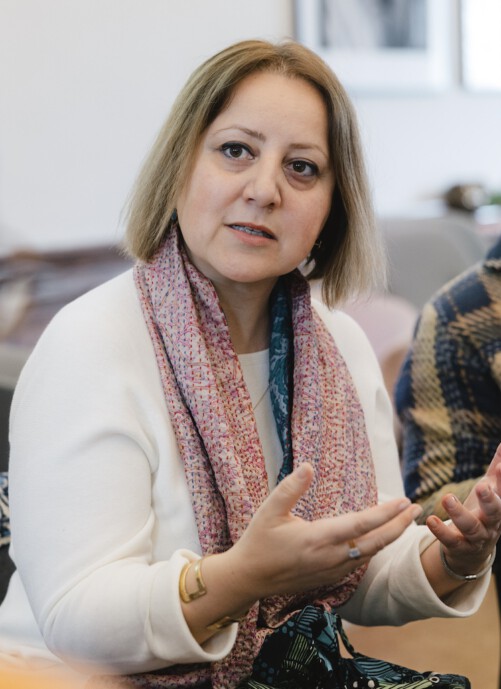
Dr. habil. Gökçe Dervişoğlu Okandan is an academic and researcher with two decades of experience in creative industries and innovation management. Having contributed to EU-funded projects and international academic institutions, she now focuses on cultural entrepreneurship and financial sustainability within the sector. She is based in Istanbul and Berlin.
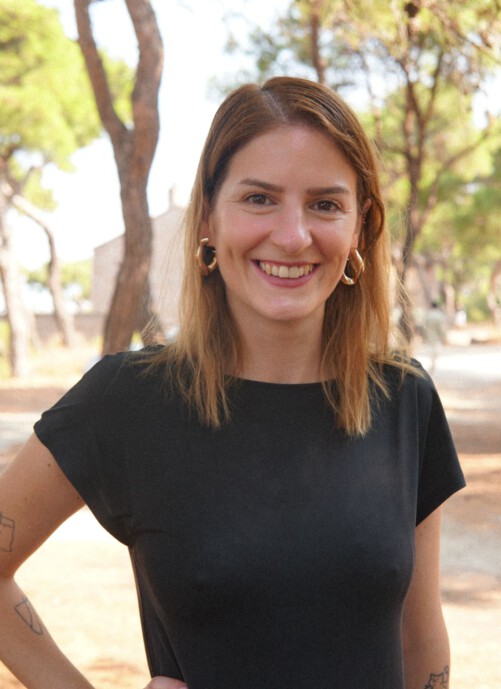
Çağıl Özdemir is co-founder of 3dots, designing the conditions for culture to thrive through policy, ecosystem building, and innovative finance for the creative economy. She has served as Policy Expert on Turkey’s National Creative Economy Strategy, co-authored the Culture Finance
Standard, co-designed recoverable grant frameworks for the performing arts, advised UNDP on creative industries in Kosovo, and co-developed the Bozcaada Viticulture Fund alongside co-organising the Bozcaada Jazz Festival, now in its 10th edition
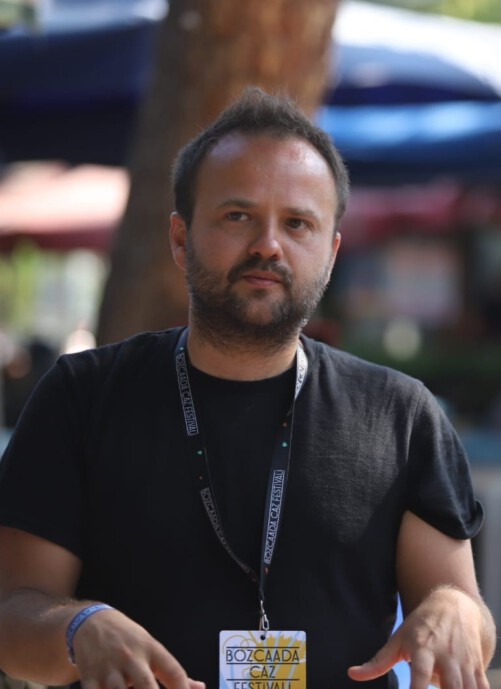
Murat Sezgi is co-founder of 3dots, designing the conditions for culture to thrive through policy, ecosystem building, and innovative finance for the creative economy. Over 20 years, he brought the Sónar Festival to Istanbul, co-founded XJAZZ Berlin and the Bozcaada Jazz Festival, built
the Bergama Theatre Festival.
Dr. Grit Ruhland, Projekteitung, Häselburg Gera
Dr. Frauke Wetzel, Programmleitung, LOKAL – Programm für Kultur und Engagement, Kulturstiftung des Bundes
Can visions for living together in a place emerge at a swimming pool or a kiosk? What do a bus stop and a retirement home have in common? With whom do you take the step into the untested community of unfamiliar fellow citizens: with the church choir, the fire brigade, local care workers, or local craft businesses?
For the programme “LOKAL” — jointly developed by the German Federal Cultural Foundation, the Federal Agency for Civic Education, and the European Cultural Foundation — art and culture are effective levers for social participation. In this workshop, we would like to explore two practical aspects of LOKAL together with you: participatory formats and new partnerships. The artists of the Kubik collective will present examples of their work in smaller towns and municipalities. When they place ladders against walls so that people can look over them and develop new ideas for places, encounters arise that are as unexpected as they are fortuitous, unfolding their potential for new forms of togetherness through distinctive artistic forms rooted in local contexts.
In this workshop, we will playfully approach format development and exchange ideas about spaces, challenges, and partners. Participants will discuss these topics in small groups, and we will provide you with our LOKAL game as a practical tool. Artists supported through LOKAL will also be available to answer questions.
Participation in English is possible.
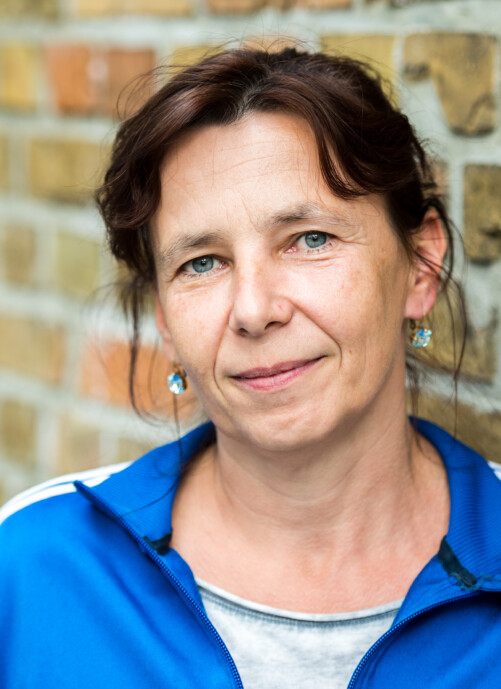
Katja Kettner studierte Theater, Tanz und Literaturwissenschaften sowie Kulturmanagement. Sie ist Dramaturgin, Autorin und Projektleiterin und Mitbegründerin sowie künstlerische Co-Leiterin des Kanaltheaters in Eberswalde.
Ihre künstlerische Arbeit bewegt sich an der Schnittstelle von Text, Performance und szenischer Forschung. Seit vielen Jahren entwickelt sie regionale und internationale Projekte in den Bereichen Theater, Tanz und Neue Musik und arbeitet dabei mit Ensembles, Kollektiven und Bildungseinrichtungen zusammen.
Mit dem Kanaltheater setzt sie sich mit Fragen der Zugänglichkeit von Theaterarbeiten, Interviewarbeit für Stückentwicklungen, Authentizität, der Integration von Alltagsexpertisen und den Bedingungen für gelingende Communityarbeit auseinander.
Dr. Grit Ruhland ist seit Oktober 2025 Projektleiterin des Netzwerkprojekts »Gegenwartswerkstatt« der Häselburg Gera in LOKAL – Programm für Kultur und Engagement, einem Programm der Kulturstiftung des Bundes, der Bundeszentrale für Politische Bildung/bpb und der European Cultural Foundation. Sie studierte an der Hochschule für Bildende Künste Dresden Skulptur- und Raumkonzepte und wurde ebenda anschließend Meisterschülerin von Prof. Martin Honert. Ihre künstlerische Arbeit basiert auf einem konzeptionellen Ansatz und umfasst Projekte in den Bereichen Community Arts, Public Art, Sound Art und Interaktion mit wissenschaftlichen Instituten und Themen. Ihr besonderes Interesse gilt dem Umweltverhalten, den Auswirkungen des Bergbaus und dem nuklearen Erbe. Sie promovierte über die Auswirkungen des Uranbergbaus auf die Landschaft Ostdeutschlands an der Bauhaus-Universität Weimar. Ihre Arbeit ist im Kunstfonds der Staatlichen Kunstsammlungen Dresden vertreten. Sie hat als Dozentin an verschiedenen Hochschule gelehrt, darunter der Bauhaus Universität Weimar, der TU Dresden, der Universität Regensburg und der Bergischen Universität Wuppertal.
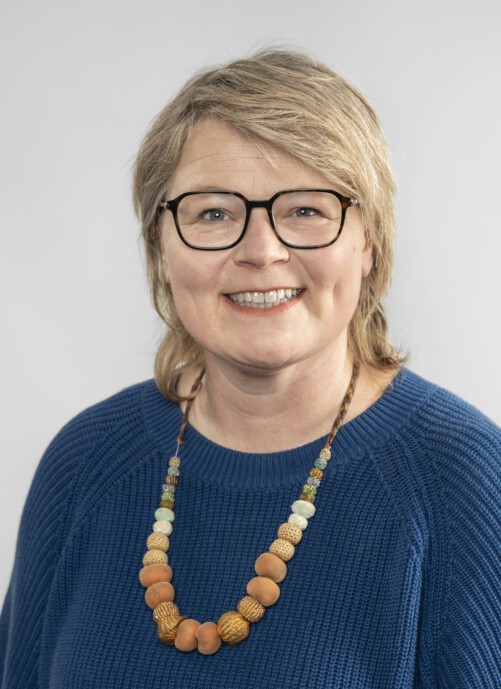
Dr. Frauke Wetzel ist Kulturwissenschaftlerin mit Abschlüssen in Osteuropäischer Geschichte (Doktor) und Kulturmanagerin. In Chemnitz, der Kulturhauptstadt Europas 2025, beriet sie NGOs und Kulturakteure beim Aufbau neuer Partnerschaften. Zuvor war sie als Leiterin der Abteilung für Audience Development in HELLERAU – Europäisches Zentrum für die Künste Dresden tätig. Zuvor arbeitete Frauke Wetzel für das Festival »Politik im Freien Theater«, war bei der Stiftung Brücke/Most für Programmgestaltung und Öffentlichkeitsarbeit verantwortlich und war sechs Jahre lang in der Tschechischen Republik tätig. Seit 2025 ist Frauke Wetzel Programmleiterin von „LOKAL – Programm für Kultur und Engagement“ bei der Kulturstiftung des Bundes.
At this year’s congress, we are introducing the “Colorful Sofa” for the first time—a format designed to facilitate direct, personal dialogue with selected guests and speakers. It provides a setting for in-depth discussion of cultural policy issues within the context of the congress theme. The “Colorful Sofa” will be hosted by Peter Grabowski, the cultural policy reporter. The “Colorful Sofa” will be broadcast on the live channel of the Federal Congress on Cultural Policy, recorded, and subsequently posted on the congress website and our social media channels.
Peter Grabowski *1967, Journalist, ist seit 2010 als der kulturpolitische reporter u.a. für WDR, Publikums- und Fachmagazine sowie im eigenen Blog crossmedial tätig. Darüber hinaus moderiert er einzelne Podien und ganze Tagungen im Spannungsfeld von Politik und Kultur(-Wirtschaft). Er ist Mitglied bei netzwerk recherche, Lobbycontrol, Wikimedia und CORRECT!V.
Gilda Sahebi, Author and Journalist
Natascha Strobl, Politikwissenschaftlerin, Expertin für Rechtsextremismus und die Neue Rechte
Annemie Vanackere, Artistic Director and Managing Director of HAU Hebbel am Ufer
Networks consist of a series of interconnected nodes and links.
They are central systems in nature and technology as well as in social life.
Can we learn from biological systems for social systems?
What role do forms of cooperation play in nature and in society?
How viable is the concept of “survival of the nettest” from nature for current challenges?
Can cultural policy, cultural and civic education, as well as aesthetic practice, help test and establish mechanisms that enable us to deal with negative emotions and thus develop “key competencies” that allow us to cope with the pervasive experience of loss?
If what matters most here is no longer being naive — that is, expecting possible losses, building resilience, and fostering tolerance for ambiguity — is that already enough to respond successfully to authoritarian attacks?
Which networks need to be built for this, and how?
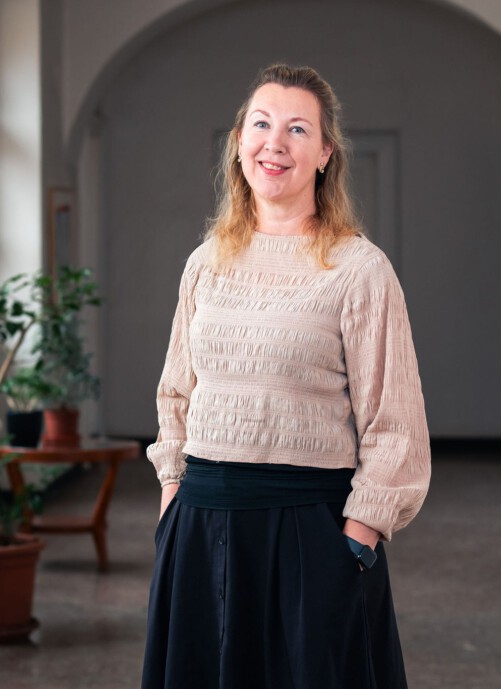
Dr. Pavla Hivert is an assistant professor in the Department of Arts Management at the Faculty of Business Administration, Prague University of Economics and Business, where she engages in academic teaching and research. Her research expertise encompasses cultural management, cultural policy, and emerging business models in creative industries.
Dr. Hivert maintains an active presence in cultural practice alongside her academic work. With extensive experience as a cultural manager in institutions and projects, she served as Director of the Arts and Theatre Institute and General Director of the Prague Quadrennial, from 2008 to 2025. In November 2025, she was appointed Bursar (Financial and Administrative Director) of the Academy of Fine Arts in Prague AVU.
She participates in different expert bodies and networks, including her role as a member of the Culture Section of the Czech UNESCO Commission.
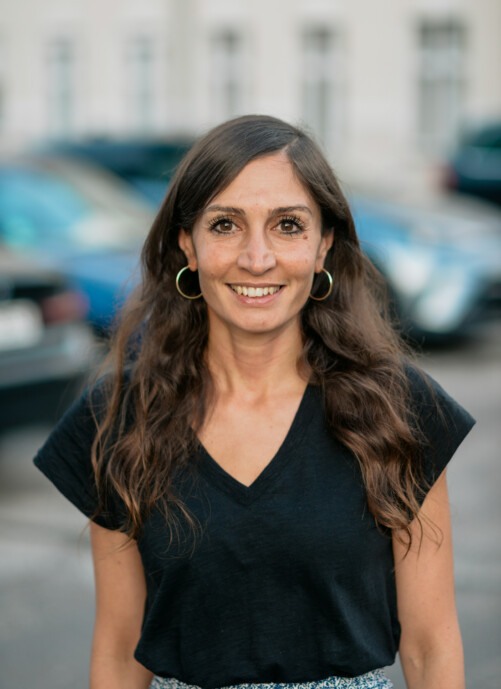
Gilda Sahebi Gilda Sahebi is a trained physician and political scientist.
She completed her journalism traineeship at Bayerischer Rundfunk (Bayerischer Rundfunk) and works as a freelance journalist focusing on domestic and foreign policy, authoritarian systems, and polarization.
She writes for taz (taz) and Der Spiegel (Der Spiegel) and also works for ARD (ARD).
Her books Unser Schwert ist Liebe, Die feministische Revolte im Iran, and Wie wir uns Rassismus beibringen. Eine Analyse deutscher Debatten were published by S. Fischer (S. Fischer Verlag) in 2023 and 2024.
Her current book Verbinden statt spalten. Eine Antwort auf die Politik der Polarisierung was published in September 2025.
Gilda Sahebi lives in Berlin.
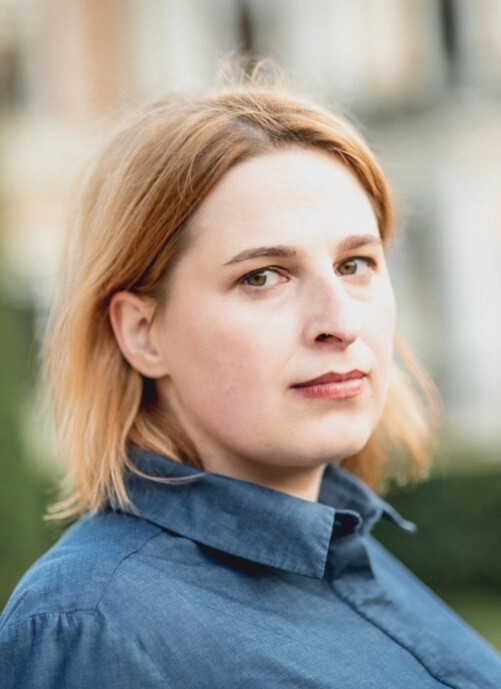
Natascha Strobl , geboren 1985 in Wien, ist Politikwissenschaftlerin und Autorin. Sie schreibt unter anderem für die Frankfurter Rundschau und die Süddeutsche Zeitung. Ihr Buch Radikalisierter Konservatismus. Eine Analyse war ein Bestseller und wurde 2021 mit dem Bruno-Kreisky-Preis für das Politische Buch (Anerkennungspreis) ausgezeichnet.
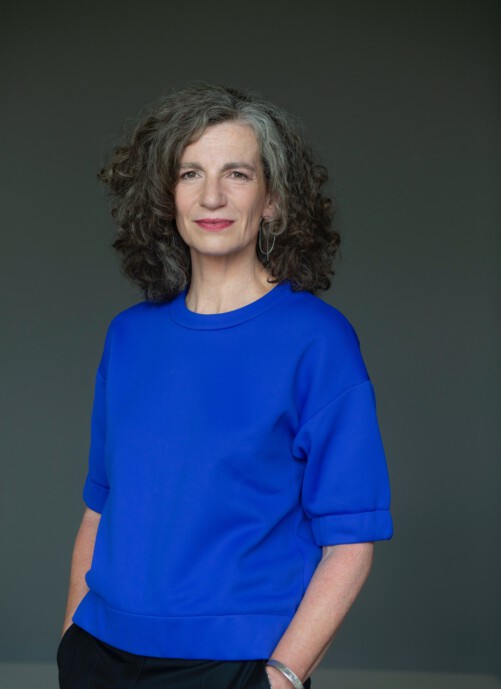
Annemie Vanackere Annemie Vanackere studied philosophy in Leuven and Paris, as well as theatre and film studies for one year in Leuven.
She worked as a production manager, among others for STUC (STUC) and the KLAPSTUK Festival (Festival KLAPSTUK), and in 1993 took over the artistic direction of Nieuwpoorttheater (Nieuwpoorttheater) in Ghent.
From 1995 to 2011, Annemie Vanackere worked at Rotterdamse Schouwburg (Rotterdamse Schouwburg), from 2001 onward as Co-Artistic Director and as head of Productiehuis Rotterdam (Productiehuis Rotterdam), which was affiliated with the theatre.
Until 2011, she was also Artistic Director of “De Internationale Keuze van de Rotterdamse Schouwburg” (“De Internationale Keuze van de Rotterdamse Schouwburg”), the annual international theatre, dance, and performance festival in Rotterdam that she co-founded in 2001.
Since September 2012, Annemie Vanackere has served as Artistic Director and Managing Director of HAU Hebbel am Ufer (HAU Hebbel am Ufer) in Berlin, which she reopened with her team on 1 November 2012.
With its three venues HAU1 (HAU1), HAU2 (HAU2), and HAU3 (HAU3), as well as the digital stage HAU4 (HAU4), HAU Hebbel am Ufer (HAU Hebbel am Ufer) stands for contemporary artistic positions at the intersection of theatre, dance, performance, music, visual arts, and discursive formats.
It is also the organizer of the international festival Tanz im August (Tanz im August).
Nora Frohmann, Elena Strempek, Angelika Waniek Nora Frohmann lebt und arbeitet in Leipzig. Nach einem Studium der Fotografie in München und der Bildenden Kunst in Leipzig fußt ihre künstlerische Praxis auf Tanz/Performance und Skulptur/Installation. Dabei interessieren sie Potenziale, Uneindeutigkeiten, Körper- und Sinnlichkeit. Sie erhielt zahlreiche Stipendien und ihre Arbeiten werden international gezeigt. Seit 2017 ist sie Mitglied der Company des Leipziger Tanztheaters und dort seit 2019 künstlerische Assistentin. Sie arbeitet(e) mit/für verschiedene Choreograf*innen und Künstler*innen. Seit 2021 ist sie am Lindenau-Museum in Altenburg fest angestellt als Kunstvermittlerin. www.norafrohmann.com
Elena Strempek ist Künstlerin, Dramaturgin und Kunstvermittlerin in Leipzig. Ihr Schwerpunkt liegt auf Performance und künstlerischer Forschung. Die Frage nach der Zugänglichkeit von Kunst treibt sie spätestens seit ihrem Masterstudiengang „Critical and Pedagogical Studies” an der Kunsthochschule Malmö (Schweden) um. Gemeinsam mit Angelika Waniek und Nora Frohmann entwickelt sie stetig das Format Performance Recording weiter und lässt dabei ihrer Spielfreude freien Lauf. www.strempek.de
Angelika Waniek ist Performerin in Leipzig. Sie arbeitet an der Schnittstelle von Wissens- und Erfahrungstransfer und legt damit Potenziale von gemeinsamem Handeln frei. In ihren Soloperformances analysiert sie bestehende kulturelle und historische Narrative, die mit den jeweiligen Aufführungs- und Ausstellungsorten verbunden sind, und erzählt diese wieder und weiter. Ihre künstlerische Arbeit ist geprägt von einem Interesse an politischen Perspektiven auf performative und visuelle Praktiken. Im Moment forscht sie zu performativen Formaten der Aufzeichnung und Bewahrung.